step 2

  • Dermatology Made Simple

    In the NLE Step-2 Dermatology exam, you won’t examine a live patient. Examiners typically present images either on a laptop or as printed photos, and you’ll have five minutes to complete each dermatology station. Be prepared for the high-yield cases that appear most frequently. The following high-yield dermatology topics are asked repeatedly; 1. Impetigo A…
  • Radiology Made Simple

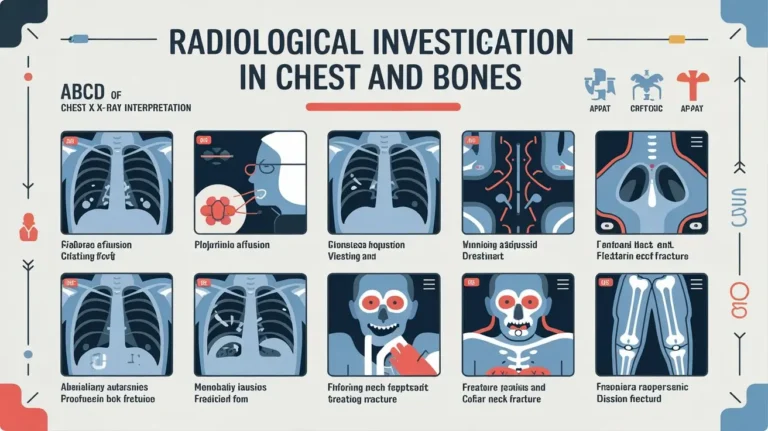
    A radiological investigation to find certain pathologies in the chest. Look for ABCD The best way to perform an X-ray is PA-view 1. Pleural Effusion: Excess fluid accumulation in the pleural cavity of more than 50 ml. X-ray Finding: Types of pleural effusion are as follows; Treatment: Location: The best is the mid-axillary line at…

  • ENT Made Simple

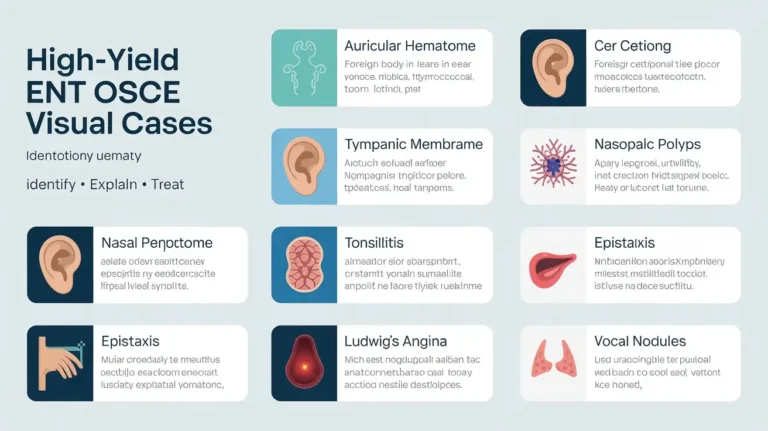
    During the ENT OSCE station, candidates are presented with images. They must (1) diagnose the pathology, (2) summarize its mechanism of formation, and (3) propose evidence-based treatment.Note: Certain cases recur frequently; focus your preparation on these high-yield presentations. Following are the important cases that come many times 1. Auricular Hematoma Collection of Blood with in…

  • Instruments Made Simple

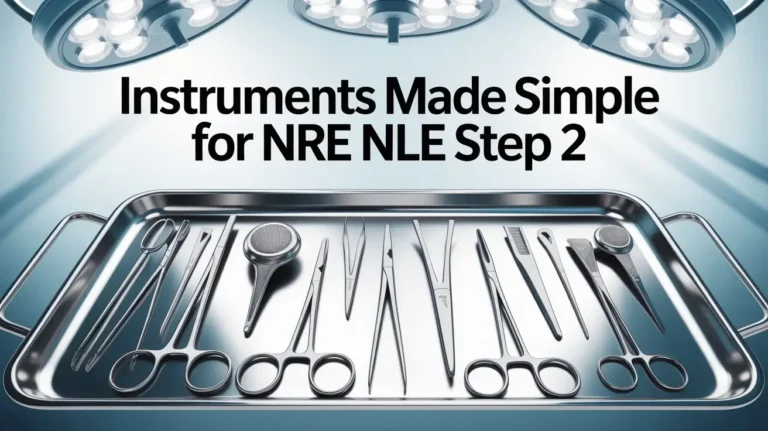
    In the Instruments section of the NRE Step 2 examination, examiners commonly ask about the name of the instrument, its uses, and its contraindications. The following are some of the most frequently shown instruments that you should be familiar with during the examination. 1. Foley catheter Indications: Contraindications: 2. Proctoscope PARTS: Indications: Disadvantage: Contraindications: Sterilization:…

  • Ophtha Made Simple

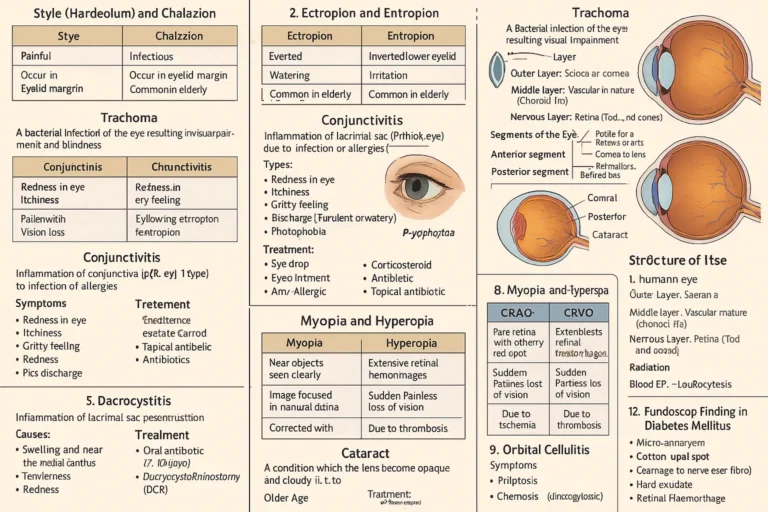
    In Ophthalmology OSCE stations, images of various eye diseases are shown, and candidates are asked to identify the disease and describe its treatment. The following are examples of common cases that may be presented: The Human eye consist of three layers. Segments of Eye: 1. Style (Hardeolum) and Chalazion 2. Ectropion and Entropion 3. Trachoma…

End of content

End of content