Pharmacology: Three Types
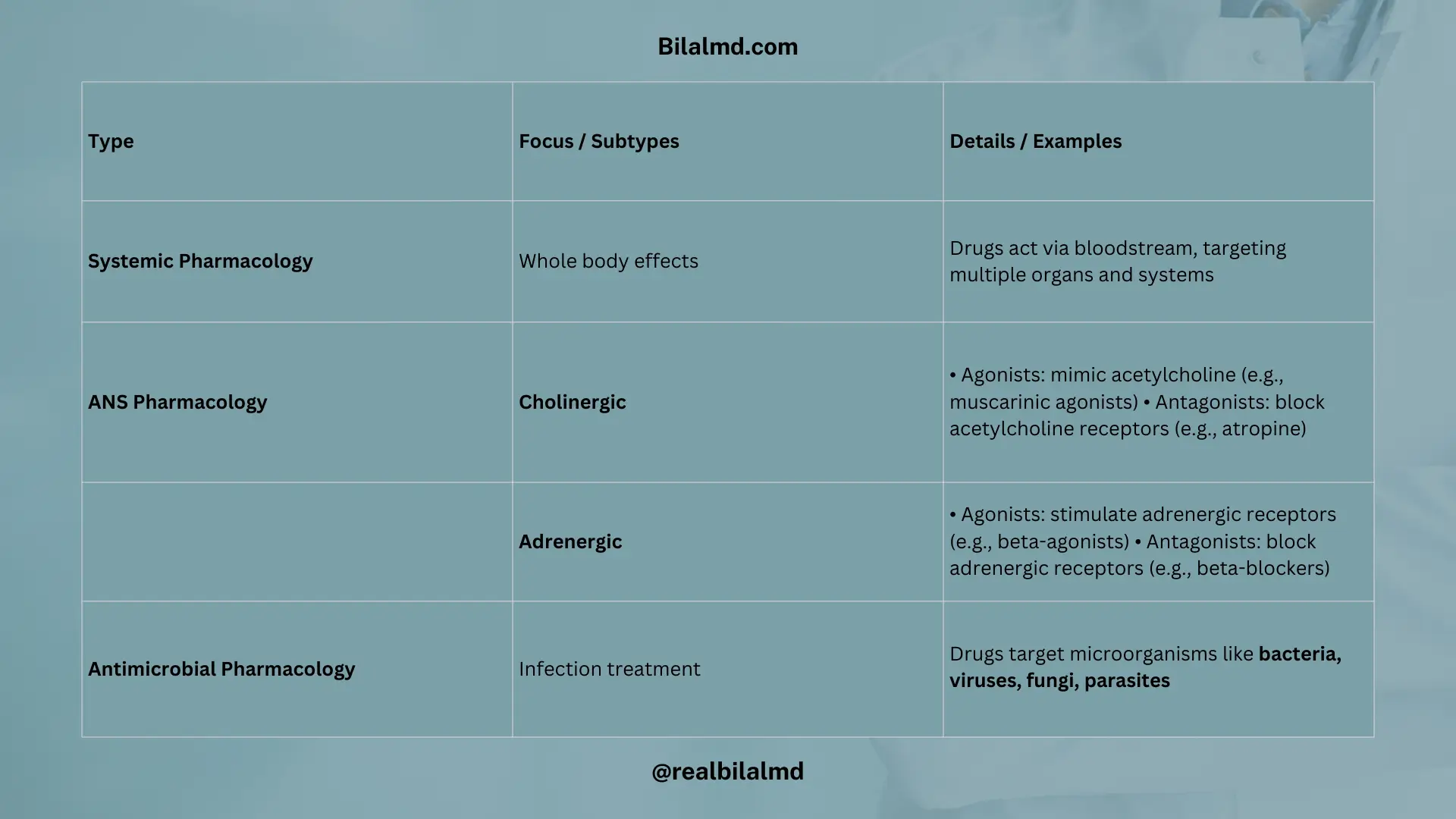
- Systemic Pharmacology:
- Focuses on the study of drugs that affect the entire body through the bloodstream, often targeting multiple organs and systems.
- Ans Pharmacology (Autonomic Nervous System):
- Cholinergic:
- Agonists: Drugs that mimic the action of acetylcholine (e.g., muscarinic agonists).
- Antagonists: Drugs that block acetylcholine receptors (e.g., atropine).
- Adrenergic:
- Agonists: Drugs that stimulate adrenergic receptors (e.g., beta-agonists).
- Antagonists: Drugs that block adrenergic receptors (e.g., beta-blockers).
- Cholinergic:
- Antimicrobial Pharmacology:
- Focuses on drugs that are used to treat infections by targeting microorganisms like bacteria, viruses, fungi, and parasites.
1. CVS Pharmacology – Anti-Hypertensive (Anti-HTN)
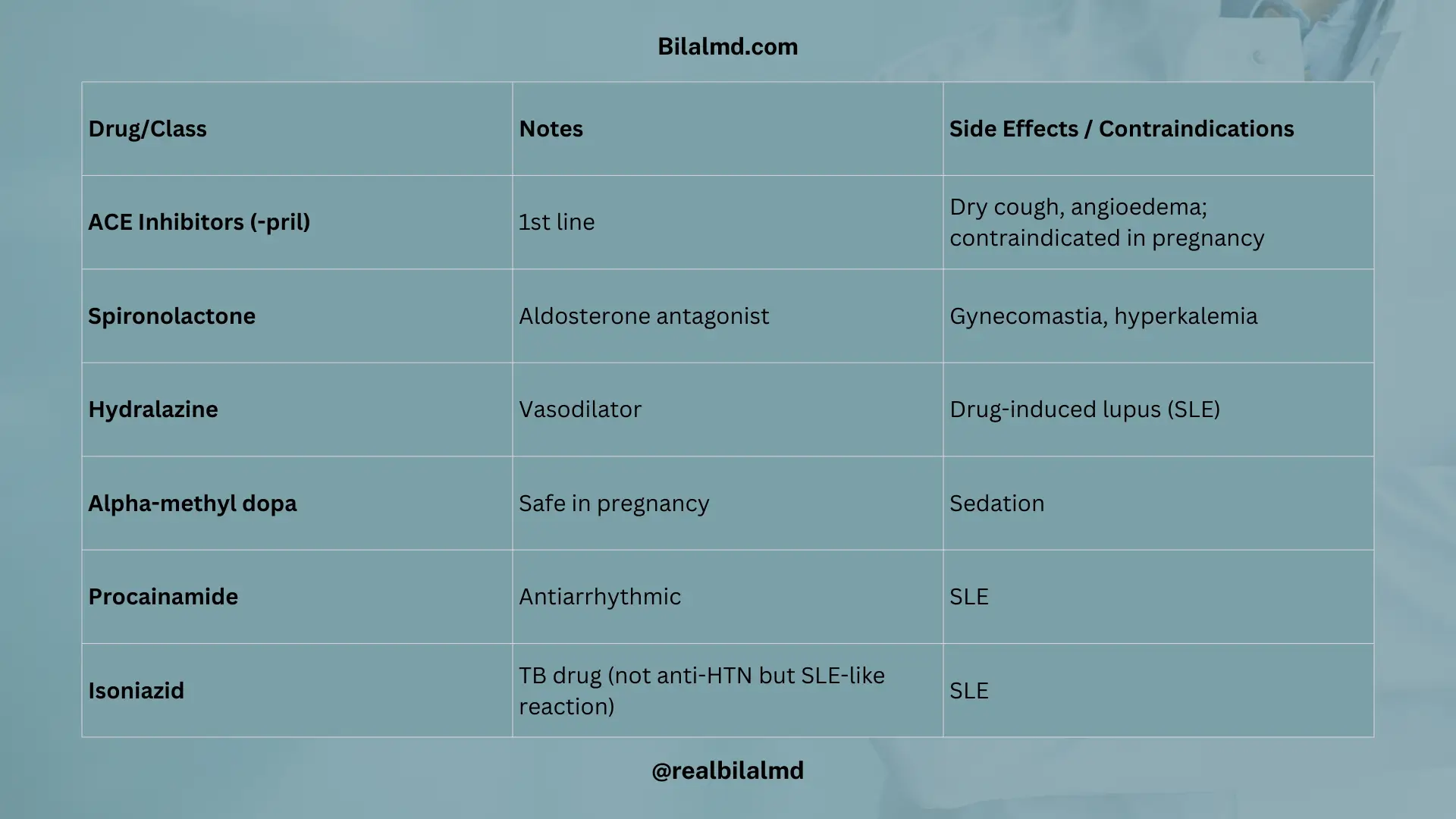
- ACE Inhibitors (pril):
- Side Effects: Dry cough, angioedema
- Contraindication: Not to be used in pregnancy
- Spironolactone:
- Side Effects: Gynecomastia, hyperkalemia
- Hydralazine:
- Side Effect: Drug-induced lupus erythematosus (SLE)
- Alpha-Methyl Dopa:
- Safe for use during pregnancy
- Procainamide
- Isoniazid
2. Gestational Hypertension (HTN) + Agents Acting on Beta and Alpha Receptors
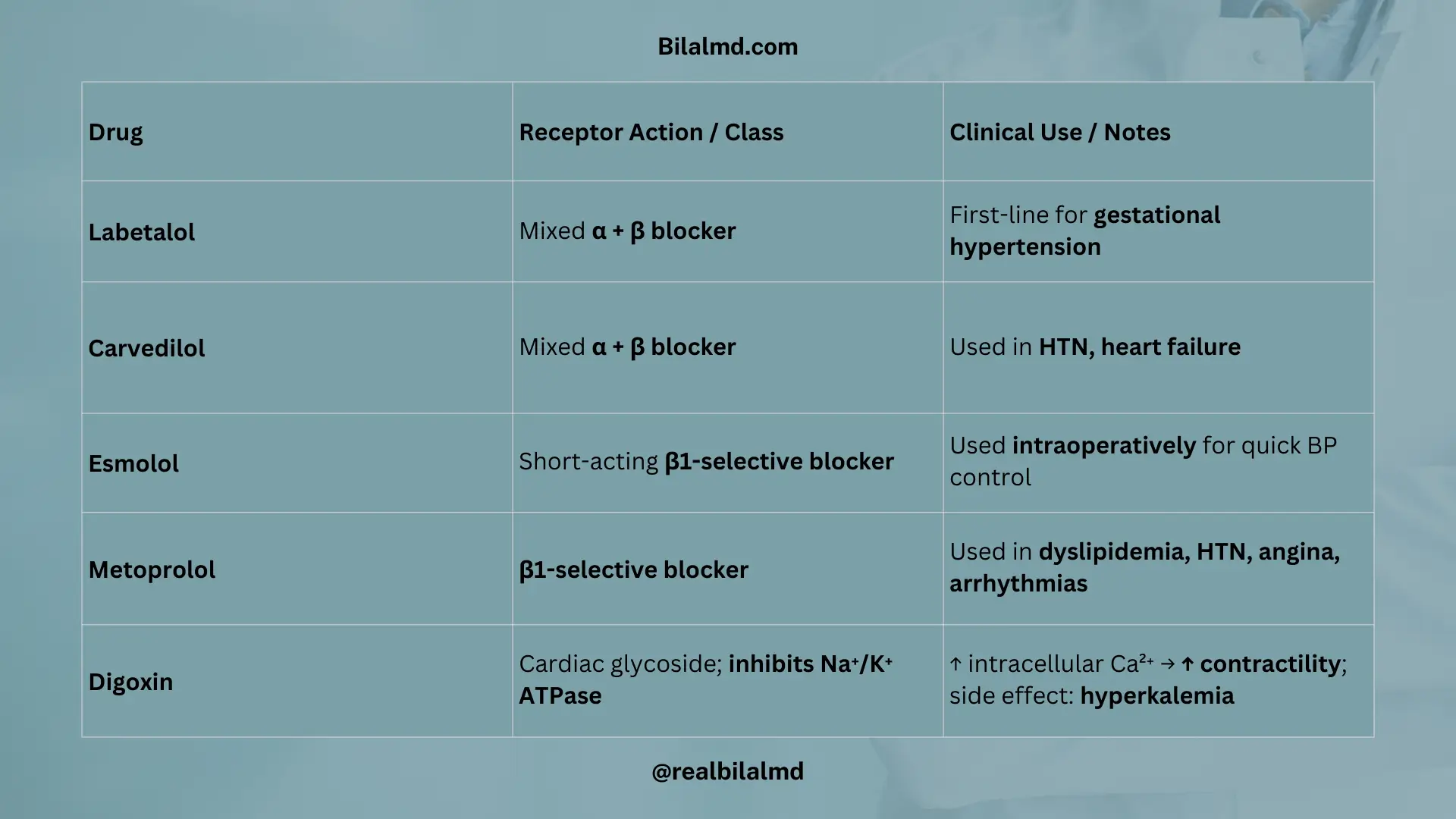
- Labetalol
- Carvedilol
- Short-acting Intraoperatively:
- Esmolol
- Dyslipidemia
- Metoprolol
- Digoxin:
- Action: Inhibits the Na+/K+ pump
- Effect: Leads to increased potassium levels and increased contractility of the heart.
3. Lipid-Lowering Agents
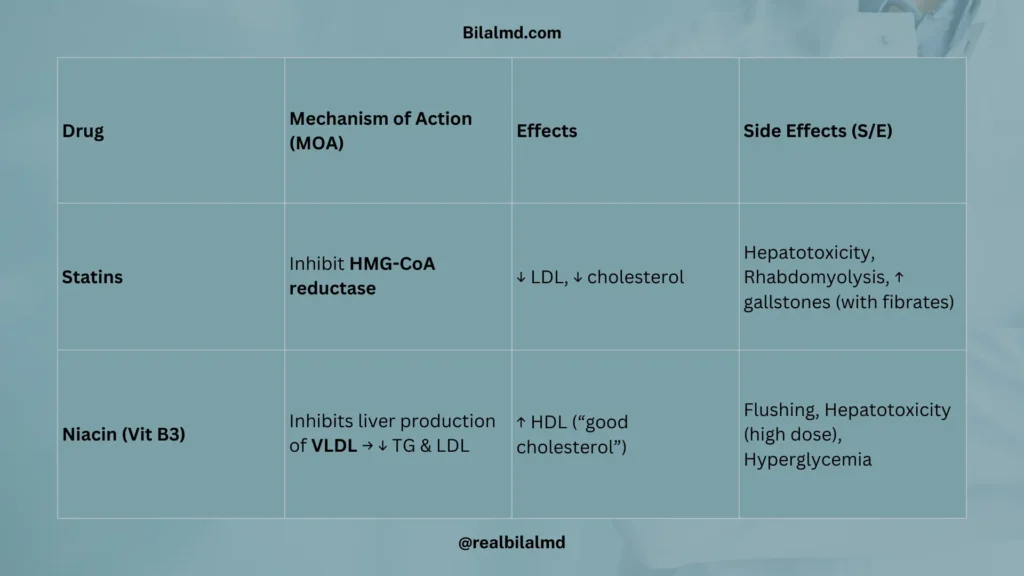
- Statins:
- MOA: Inhibit HMG-CoA reductase
- Side Effects (S/E):
- Hepatotoxicity
- Rhabdomyolysis
- Combined with fibrates: Increased risk of gallstones
- Niacin (Vitamin B3):
- MOA: Inhibits liver production of VLDL (very low-density lipoproteins), leading to a reduction in triglycerides and LDL cholesterol.
- Effect: Increases HDL cholesterol (good cholesterol).
- Side Effects (S/E):
- Flushing (due to vasodilation)
- Hepatotoxicity (in high doses)
- Hyperglycemia (can worsen diabetes)
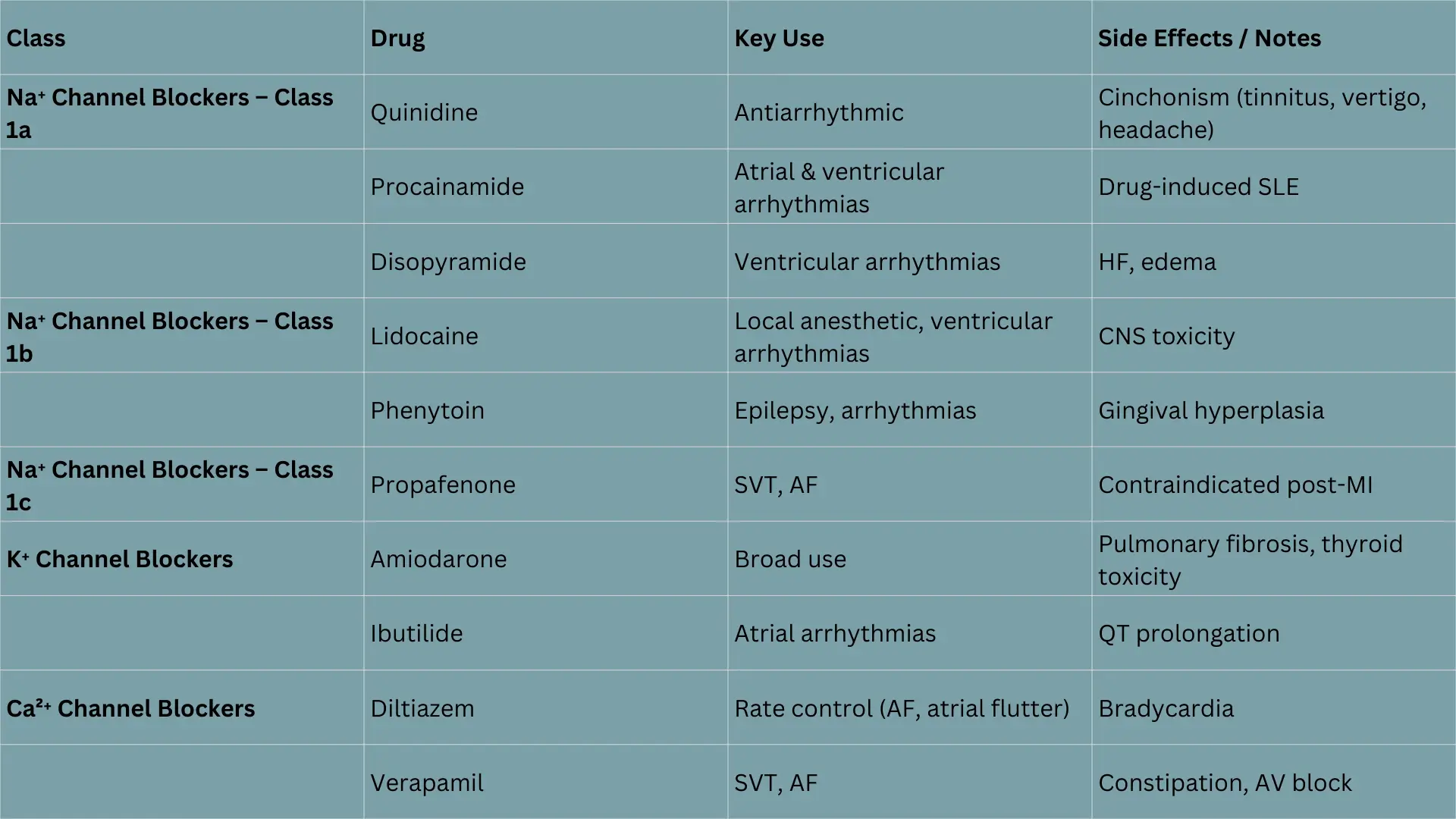
4. Antiarrhythmic Medications
- Na Channel Blockers:
- Class 1a:
- Quinidine: Causes cinchonism (ringing in the ears, vertigo, headache)
- Procainamide: Can cause SLE (Systemic Lupus Erythematosus)
- Disopyramide: Can lead to heart failure (HF) edema
- Class 1b:
- Lidocaine: Used as a local anesthetic
- Phenytoin: Used for epilepsy, can cause gingival hyperplasia
- Class 1c:
- Propafenone: Contraindicated after MI (heart attack)
- Class 1a:
- K Channel Blockers:
- Amiodarone: Used for AIDS treatment, has various arrhythmic indications
- Ibutilide: Used for atrial arrhythmias
- Ca Channel Blockers:
- Diltiazem
- Verapamil
5. Thyroid Drugs
- Hyperthyroidism:
- PTU (Propylthiouracil): Preferred in 1st trimester of pregnancy
- Methimazole: Used after the 1st trimester of pregnancy
- Hypothyroidism:
- Levothyroxine (synthetic T4)
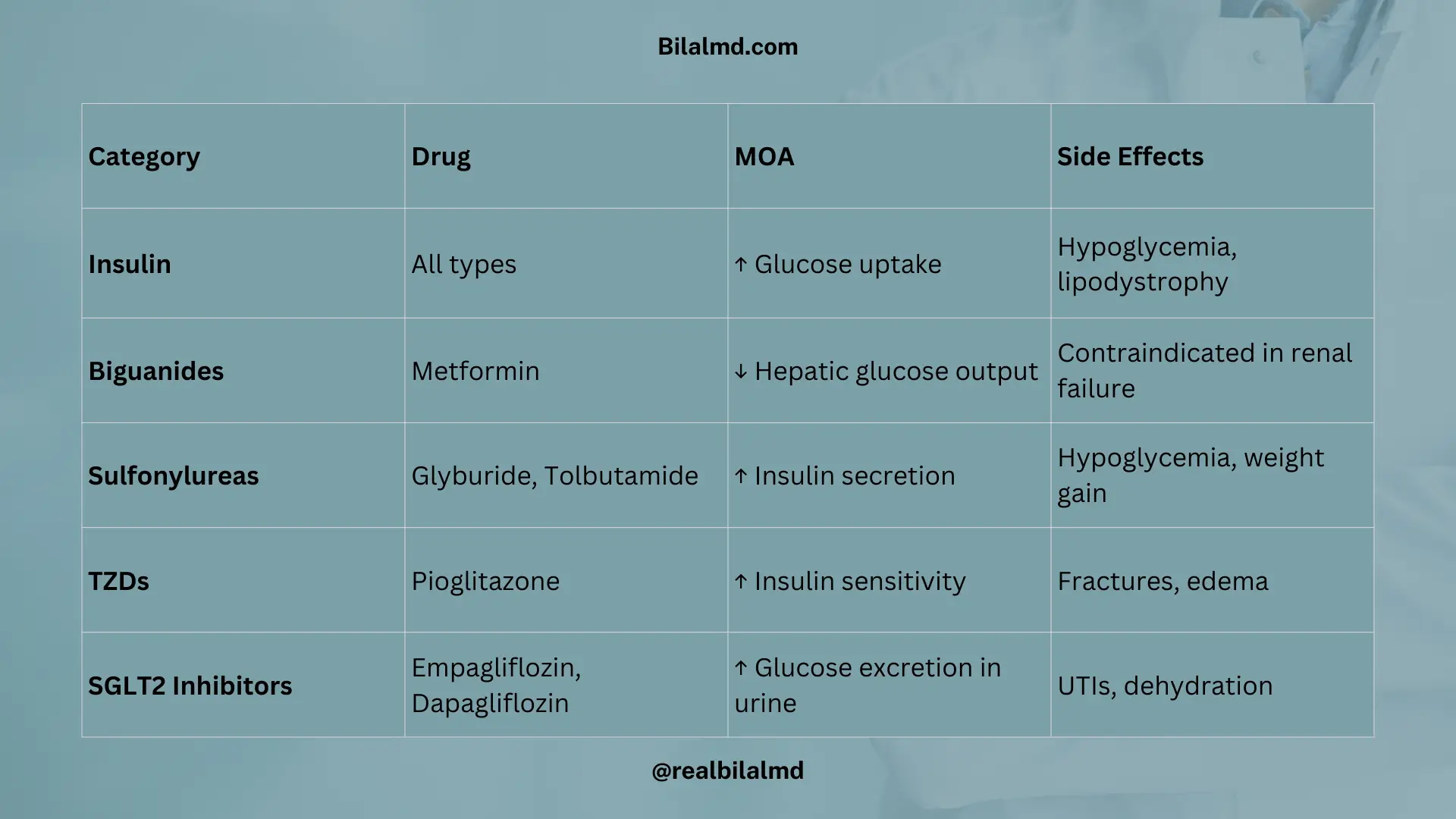
6. Diabetes Mellitus (DM)
- Insulin:
- Side Effects (S/E):
- Hypoglycemia
- Lipodystrophy
- Side Effects (S/E):
- Oral Agents
- Biguanides:
- Metformin: First-line for DM2 (especially with obesity)
- Contraindicated in renal failure
- Biguanides:
- Sulfonylureas:
- Glyburide, Tolbutamide
- Side Effects (S/E):
- Hypoglycemia
- Weight gain
- Thiazolidinediones (TZDs):
- Pioglitazone: Can increase DM2 risk and risk of fractures
- SGLT2 Inhibitors:
- Empagliflozin
- Dapagliflozin
- Increase glucose excretion in urine, leading to reduced blood glucose levels.
7. GIT
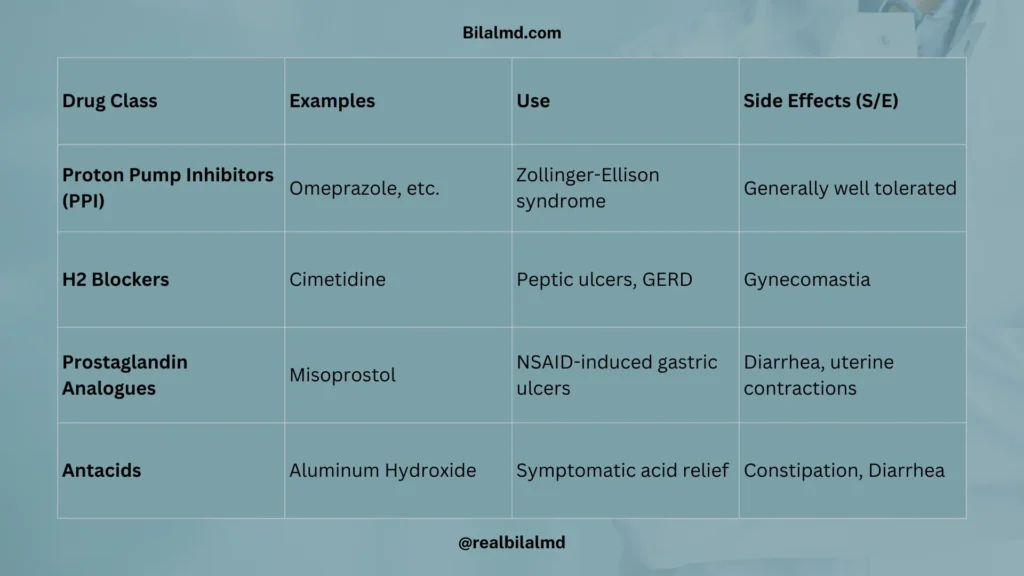
Acid Suppression Therapy
- Proton Pump Inhibitors (PPI):
- Used for: Zollinger-Ellison syndrome
- H2 Blockers:
- Cimetidine:
- Side Effect (S/E): Gynecomastia
- Cimetidine:
- Prostaglandin Analogues:
- Misoprostol:
- Used for NSAID-induced gastric ulcers
- Misoprostol:
- Antacids:
- Aluminum Hydroxide:
- Side Effect (S/E): Constipation
- Aluminum Hydroxide:
- Magnesium Hydroxide:
- Side Effect (S/E): Diarrhea
8. Antiemetic Medications
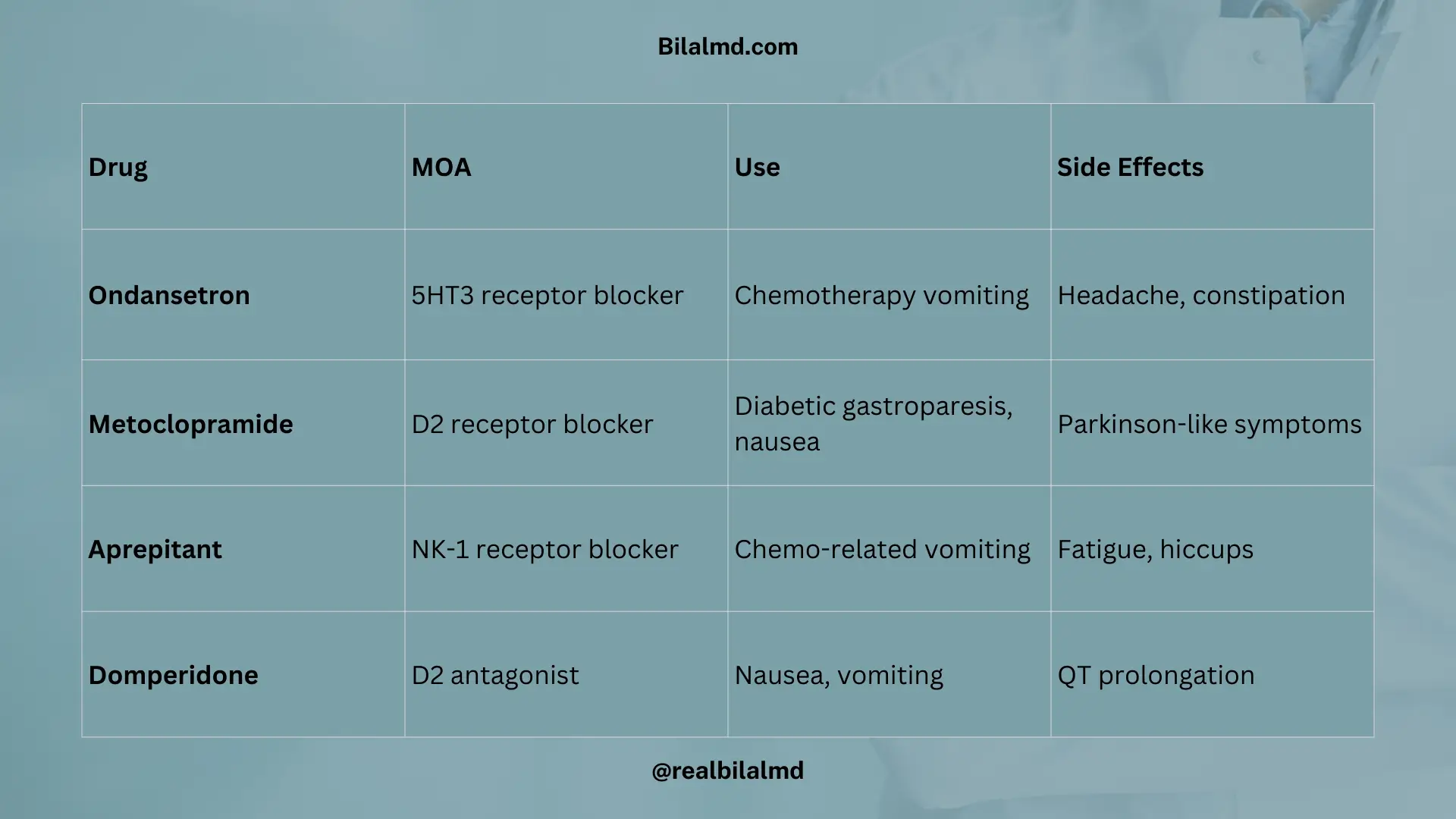
- Ondansetron:
- MOA: 5HT3 receptor inhibitor
- Effect: Decreases vomiting and reduces chemotherapy-induced vomiting.
- Metoclopramide:
- MOA: Inhibits dopamine receptors in the chemoreceptor trigger zone
- Side Effects: Parkinson-like symptoms
- Use: In diabetic gastroparesis
- Aprepitant:
- MOA: Acts on NK-1 receptor (neurokinin)
- Used to control nausea and vomiting, especially related to chemotherapy.
- Domperidone:
- MOA: Dopamine antagonist, used to treat nausea and vomiting.
Here are other materials for NLE NRE step 1
9. Laxatives
- Lactulose:
- Use: Also used in hepatic encephalopathy to reduce ammonia levels in the blood.
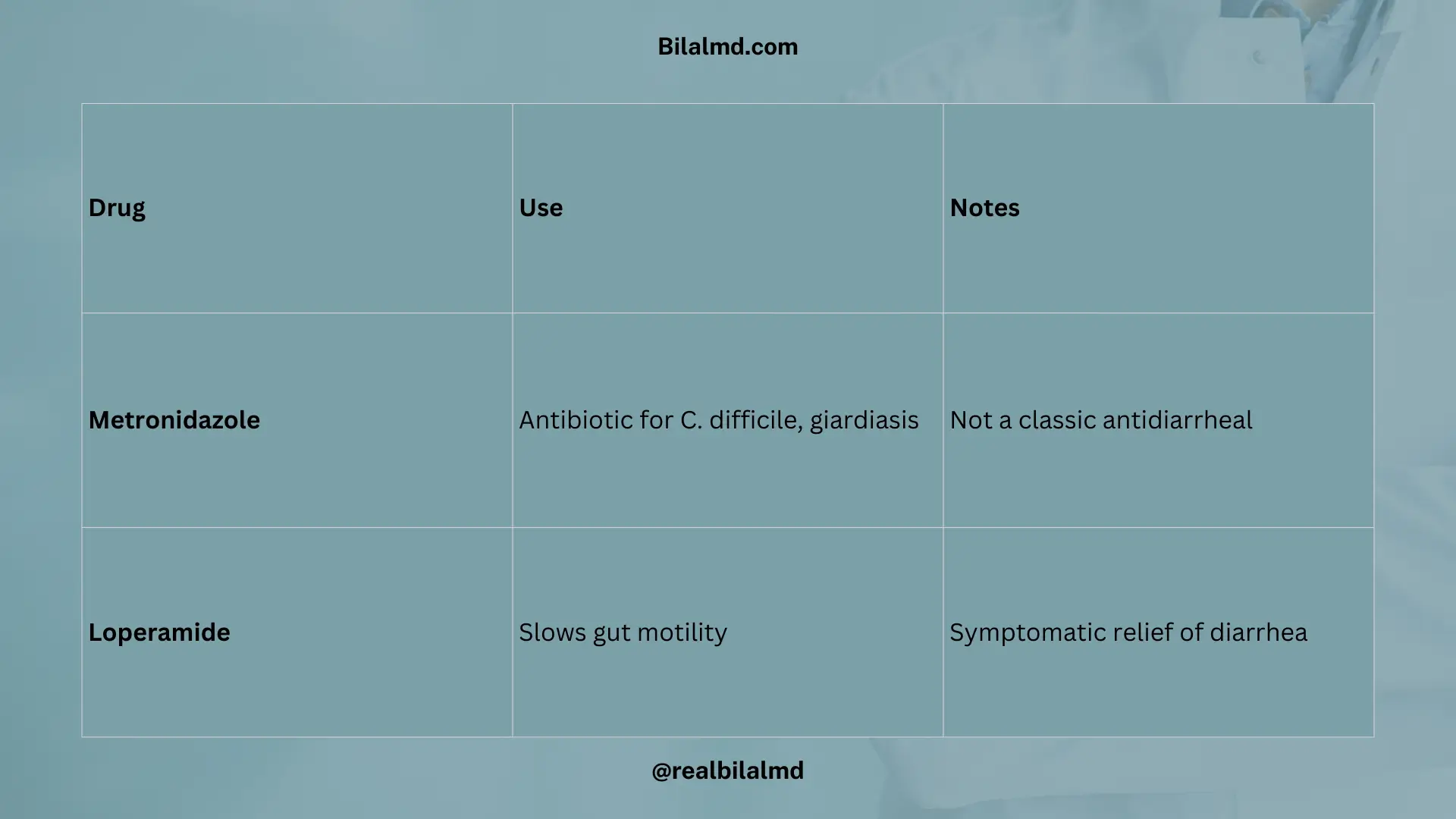
10. Antidiarrheal Medications
- Metronidazole:
- Use: Primarily an antibiotic, used for infections such as Clostridium difficile or giardiasis. It is not a typical antidiarrheal, but it can help treat infections that cause diarrhea.
- Loperamide:
- Use: A common antidiarrheal that works by slowing down gut motility, helping reduce the frequency of diarrhea.
11. Parasympathetic vs Sympathetic Nervous System
| Feature | Parasympathetic | Sympathetic |
|---|---|---|
| Preganglionic Fibers | Long and attach near target organ | Short, and postganglionic fibers are long |
| Postganglionic Fibers | Short, attach to M1, M2, M3 receptors | Long |
| Neurotransmitter | Acetylcholine (ACh) | Norepinephrine (NE) and Epinephrine (Epi), except in sweat glands (ACh) |
| Cranial Nerves Involved | CN 3, CN 7, CN 9, CN 10 | N/A |
| Receptors | M1, M2, M3 receptors | M3 receptors in adrenal medulla |
12. Acetylcholine (ACh) Receptors
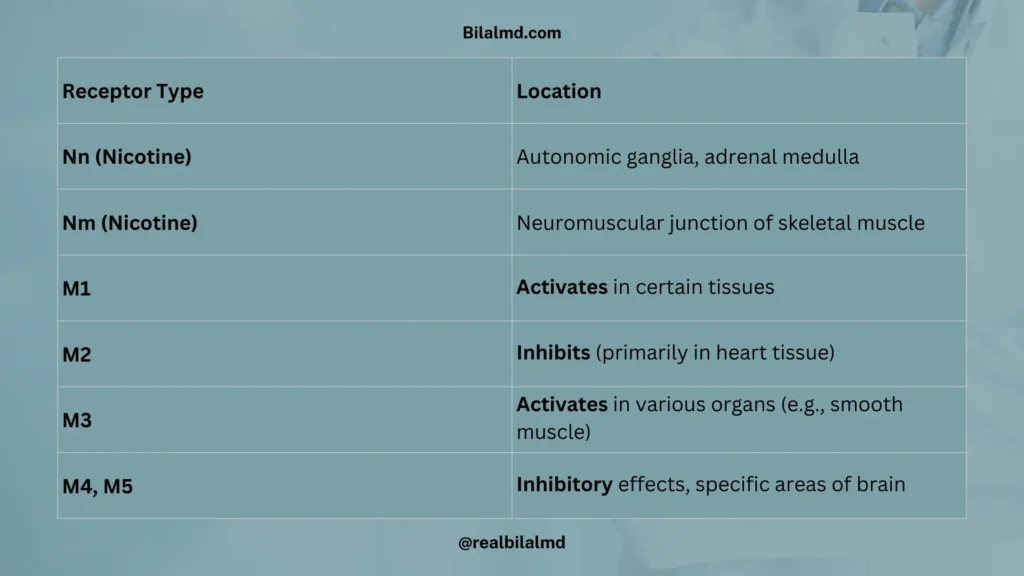
| Receptor Type | Location |
|---|---|
| Nn (Nicotine) | Autonomic ganglia, adrenal medulla |
| Nm (Nicotine) | Neuromuscular junction of skeletal muscle |
| M1 | Activates in certain tissues |
| M2 | Inhibits (primarily in heart tissue) |
| M3 | Activates in various organs (e.g., smooth muscle) |
| M4, M5 | Inhibitory effects, specific areas of brain |
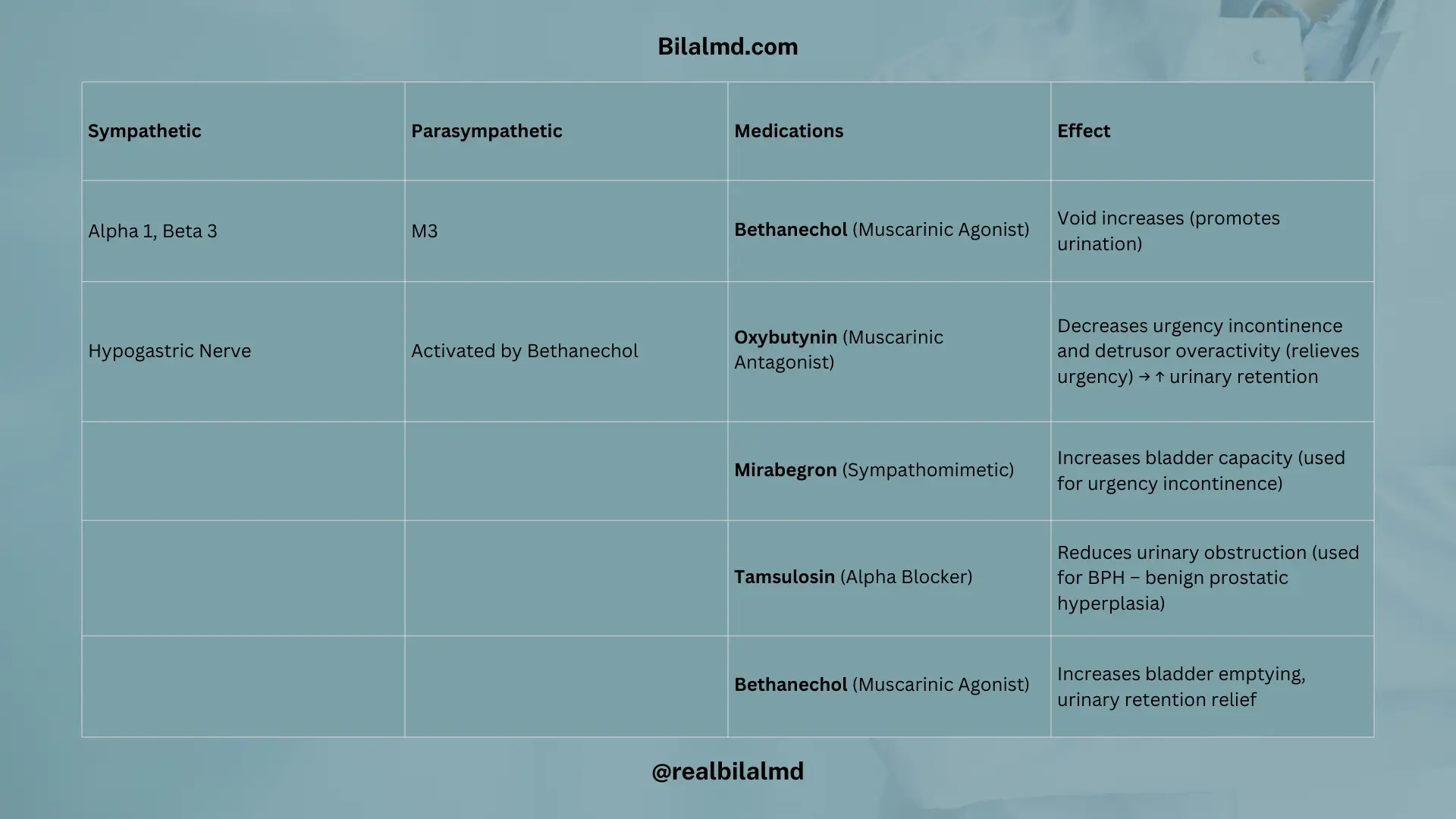
13. Micturition Control
| Sympathetic | Parasympathetic | Medications | Effect |
|---|---|---|---|
| Alpha 1, Beta 3 | M3 | Bethanechol (Muscarinic Agonist) | Void increases (promotes urination) |
| Hypogastric Nerve | Activated by Bethanechol | Oxybutynin (Muscarinic Antagonist) | Decreases urgency incontinence and detrusor overactivity (relieves urgency) |
| Effect: Increase urinary retention | Mirabegron (Sympathomimetic) | Increases bladder capacity (used for urgency incontinence) | |
| Tamsulosin (Alpha Blocker) | Reduces urinary obstruction (used for BPH – benign prostatic hyperplasia) | ||
| Muscarinic Agonist: Bethanechol | Increases bladder emptying, urinary retention relief |
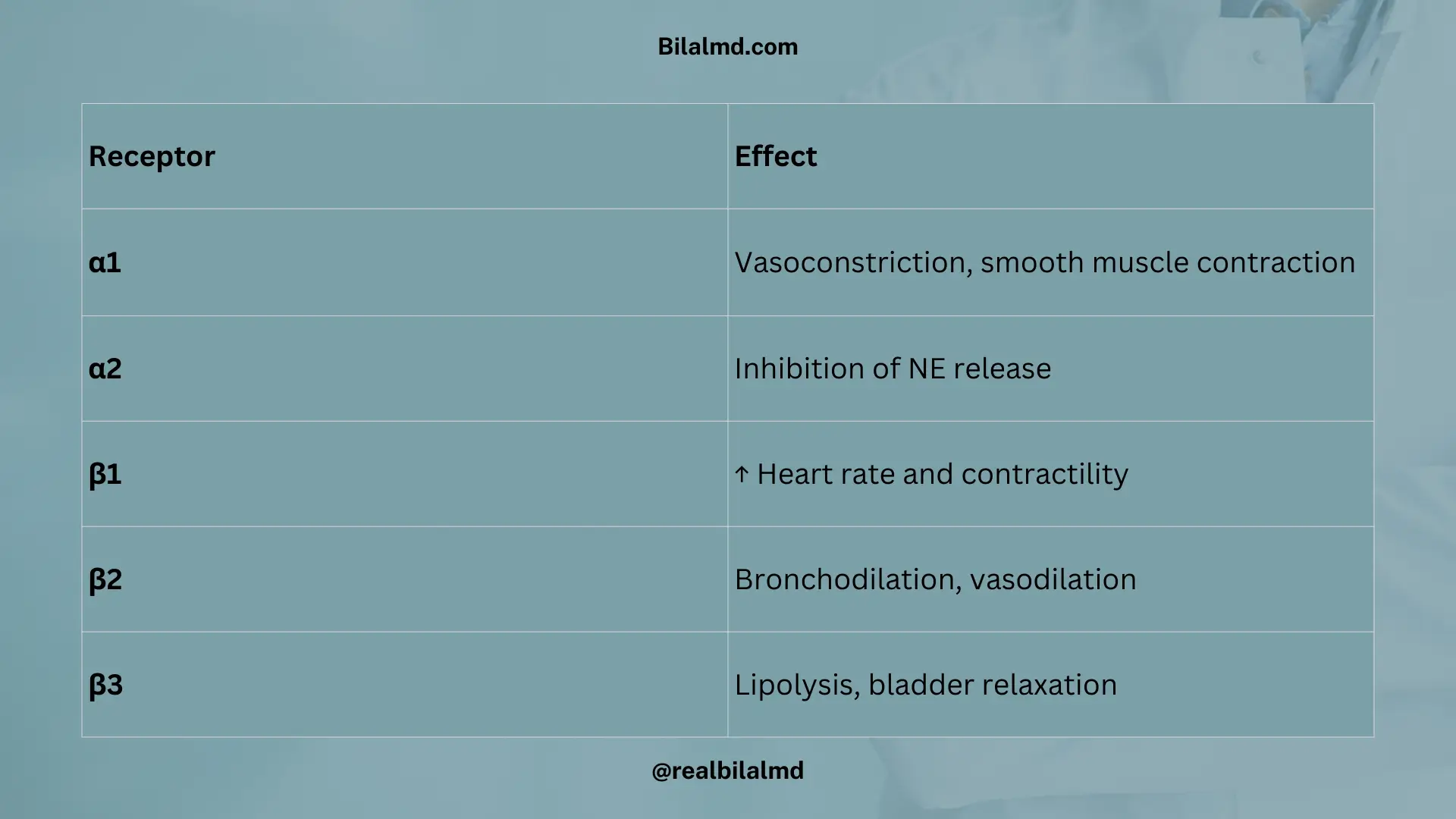
Receptors & Effects:
| Receptor | Effect |
|---|---|
| Alpha 1 | Vasoconstriction, smooth muscle contraction |
| Alpha 2 | Inhibition |
| Beta 1 | Increased heart rate (HR) |
| Beta 2 | Bronchodilation |
| Beta 3 | Increased lipolysis, bladder relaxation |
Check your NRE Step 1 result after completing the exam.