
1. Esophagus: Disorders and Management
Esophagus Anatomy: Length: 25 cm long, a muscular tube.
1. Infections and Esophagitis:
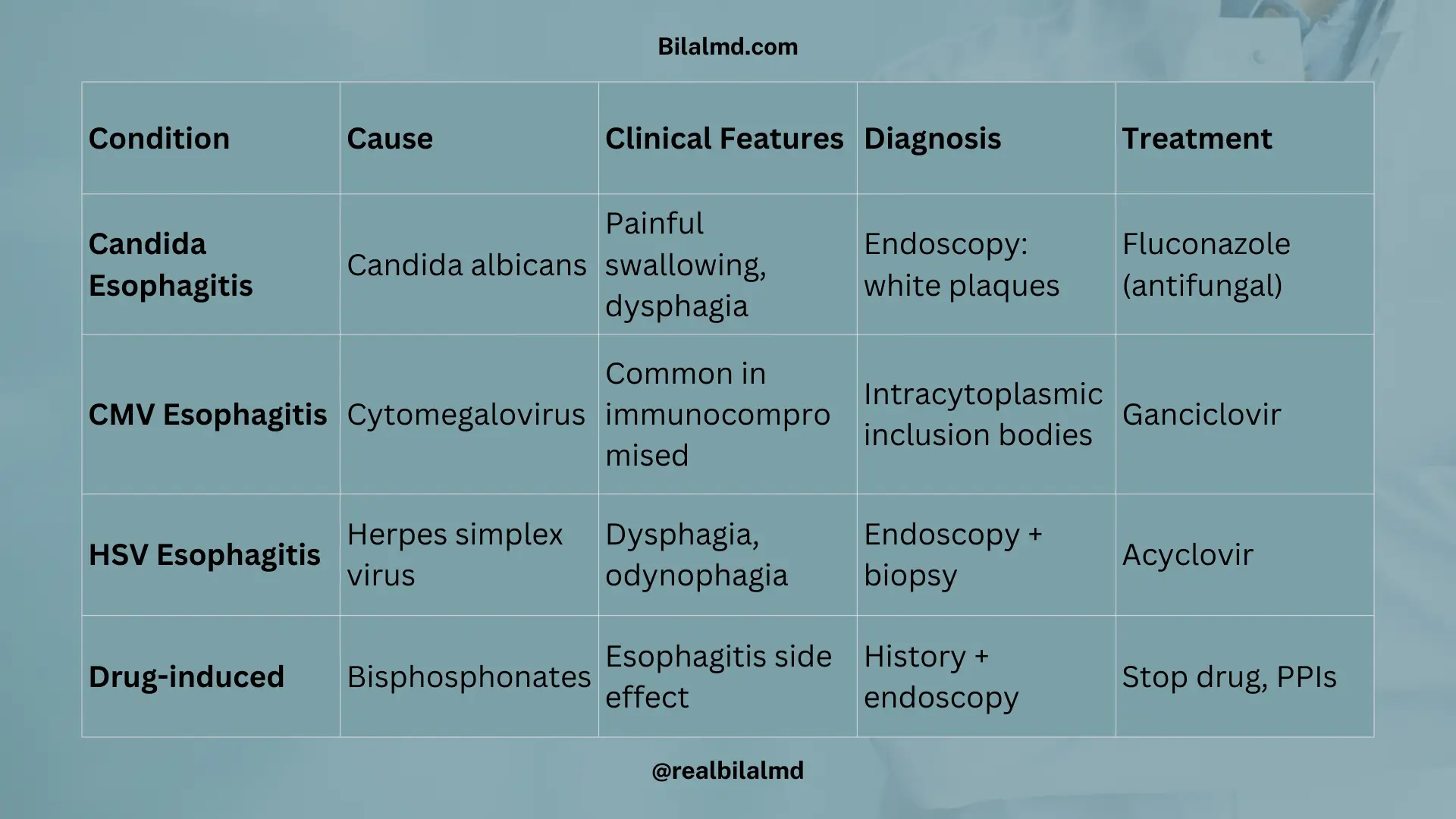
- Candida Esophagitis:
- History: Common in immunocompromised patients.
- Symptoms: Painful swallowing, possible dysphagia.
- Endoscopy Findings: White plaques adhering to the mucosa.
- Cause: Candida albicans.
- Cytomegalovirus (CMV) Esophagitis:
- In Older or Immunocompromised Patients: More common in these individuals.
- Diagnosis: Intracytoplasmic inclusion bodies in esophageal cells (diagnostic for CMV).
- Treatment: Ganciclovir.
- Herpes Simplex Virus (HSV) Esophagitis:
- Treatment: Acyclovir.
2. Achalasia and Esophageal Spasm:
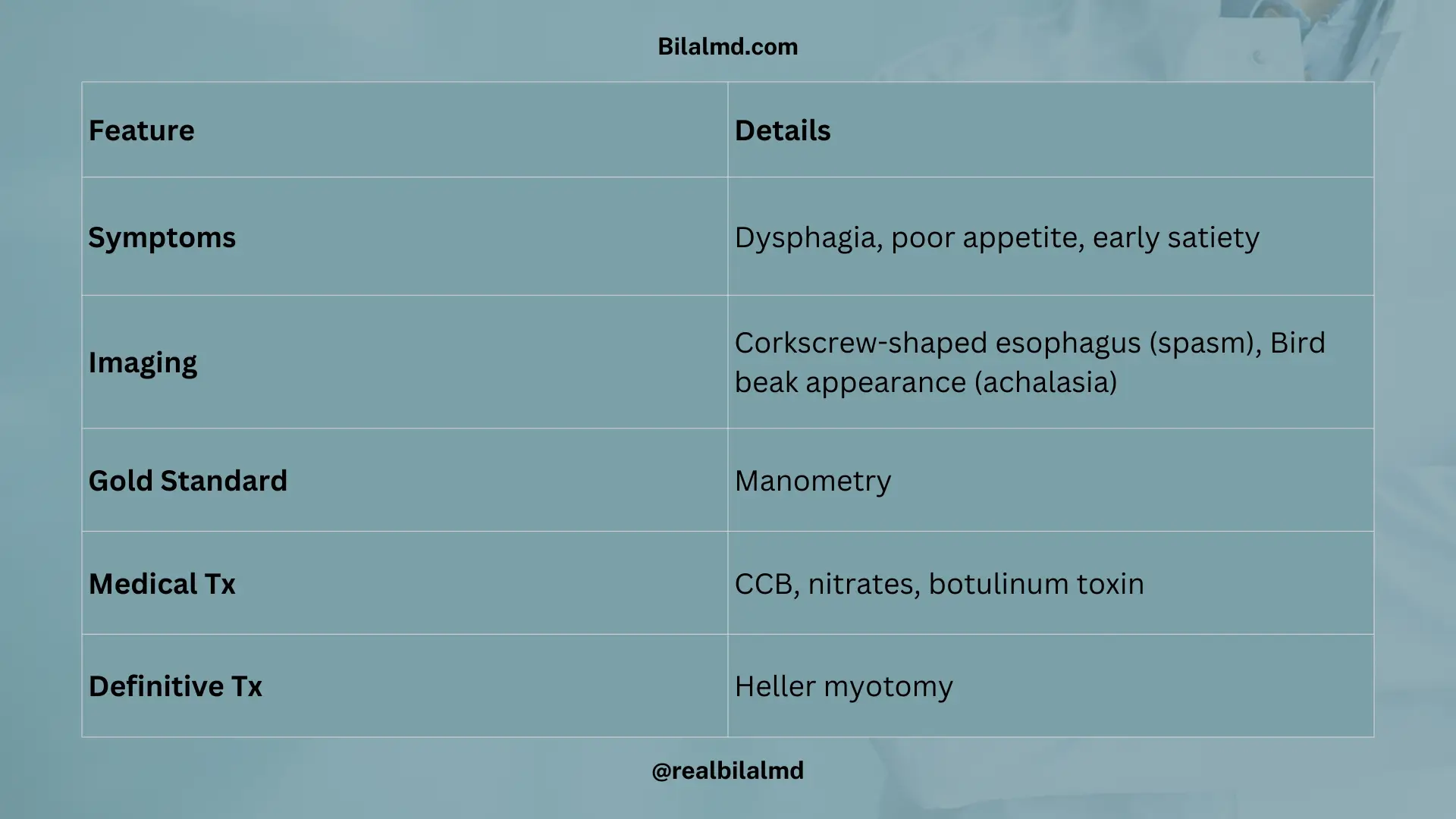
Symptoms:
- Dysphagia: Difficulty swallowing.
- Poor Appetite: Often associated with difficulty swallowing.
- Sensation of Early Fullness: Feeling full quickly while eating.
- Corkscrew-shaped Esophagus: Indicative of esophageal spasm.
- Bird Beak Appearance: Seen in achalasia cardia, where the lower esophageal sphincter does not relax properly, leading to a “bird beak” appearance on imaging.
Diagnosis:
- Manometry: Gold standard for diagnosing achalasia, which measures the pressure in the esophagus and lower esophageal sphincter.
Treatment for Achalasia:
- Calcium Channel Blockers (CCB): To relax the smooth muscles of the esophagus.
- Nitric Oxide: Can help in relaxing the lower esophageal sphincter.
- Botox Injections: Used to relax the lower esophageal sphincter, providing symptom relief.
- Definitive Treatment:
- Heller Myotomy: Surgical procedure to cut the muscle at the lower esophageal sphincter, allowing food to pass more easily.
3. Barrett’s Esophagus
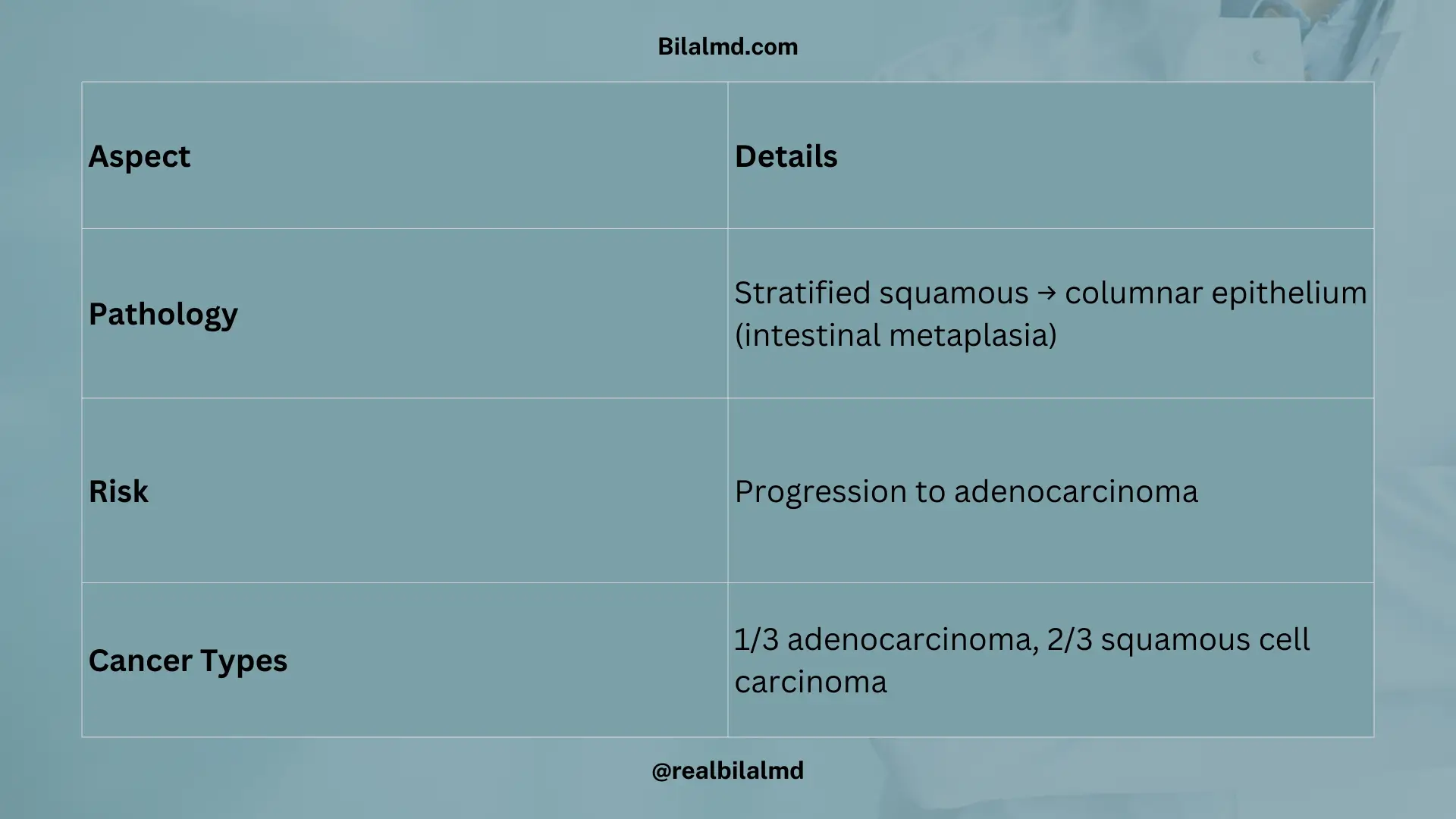
Intestinal Metaplasia:
- Stratified squamous epithelium changes to simple columnar epithelium.
- Can progress to adenocarcinoma.
Cancer Types:
- 1/3 of cases are adenocarcinoma.
- 2/3 of cases are squamous cell carcinoma.
4. Plummer-Vinson Syndrome
- Clinical Features:
- Dysphagia.
- Iron deficiency.
- Esophageal web.
Bisphosphonates
- Use: Commonly used in rheumatology.
- Cause of Esophagitis: Can lead to esophagitis as a side effect.
2. Stomach
- Shape: J-shaped
- Function: Storage of food
Cell Types:
- Parietal Cell:
- Secretes HCl (Hydrochloric Acid).
- Important for Vitamin B12 absorption.
- Chief Cell:
- Secretes Pepsinogen, which is converted into pepsin for protein digestion.
Types of Ulcers:
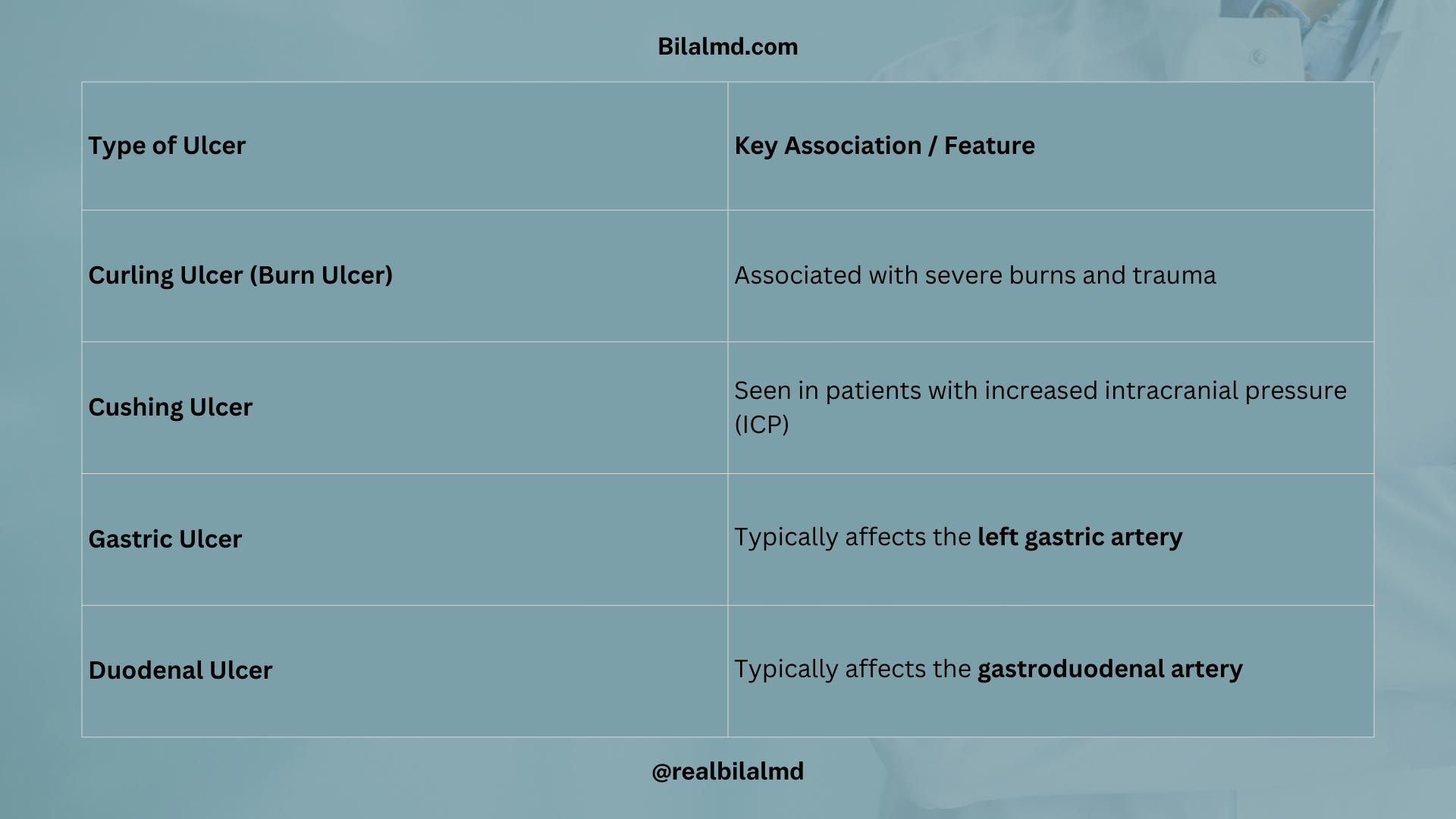
- Burn Culling Ulcer:
- Associated with burns and trauma.
- ICP Raised Cushing Ulcer:
- Seen in patients with increased intracranial pressure (ICP).
- Gastric Ulcer:
- Typically affects the left gastric artery.
- Duodenal Ulcer:
- Typically affects the gastroduodenal artery.
2. H. Pylori Treatment
- First-line treatment:
- PPI (Proton Pump Inhibitor)
- Clarithromycin
- Amoxicillin or Flagyl
Diagnosis of H. Pylori Infection:
- Blood test
- Stool test
- Urea breath test
3. Gastric Ulcer and Complications:
- History of Rheumatoid Arthritis:
- Long-term NSAID use can lead to gastric ulcer and epigastric pain.
- Biopsy of the ulcer may be required to rule out gastric carcinoma.
4. Cancer Spread and Lymph Node Involvement:
- Virchow’s Node:
- Left supraclavicular lymph node, often associated with gastric cancer.
- Sister Mary Joseph Nodule:
- A palpable nodule in the umbilicus is often indicative of abdominal malignancy.
- Krukenberg Tumor:
- Metastatic gastric cancer to the ovaries.
5. Irritable Bowel Syndrome (IBS)
Gender Distribution:
- Females > Males
- Commonly affects individuals aged 20-40 years.
Clinical Features:
- Abdominal bloating, often relieved after defecation.
Management:
- Diet Changes:
- Increase intake of vegetables and fluids.
- Laxatives: Used for constipation-type IBS.
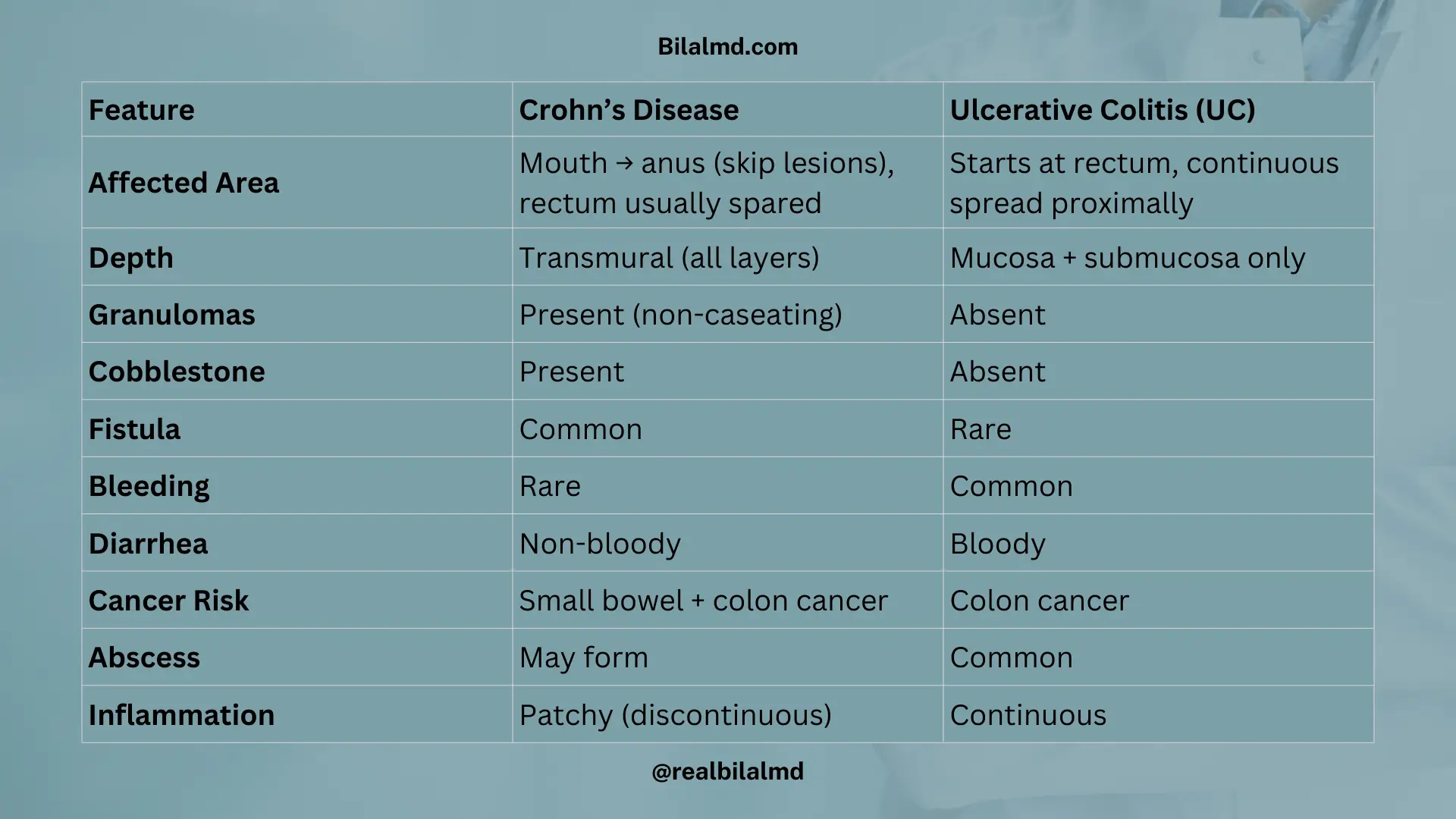
| Feature | Crohn’s Disease | Ulcerative Colitis (UC) |
|---|---|---|
| Affected Area | Mouth to anus (except anus and rectum) | Rectum (extends proximally in continuous pattern) |
| Granuloma | Present | Absent |
| Submucosa | Affected (transmural involvement) | Not affected (only mucosa and submucosa) |
| Fistula | Common | Rare |
| Transmural Involvement | Present (affects all layers of the bowel wall) | Absent |
| Cobblestone Appearance | Present (due to deep ulcerations and inflammation) | Absent |
| Bleeding | Rare | Common (especially in active disease) |
| Skip Lesions | Present (intermittent areas of affected and unaffected bowel) | Absent |
| Abscess | May form due to transmural inflammation and fistula formation | Common (involved mucosal area) |
| Cancer Risk | Increased risk for small bowel and colon cancer | Increased risk for colon cancer |
| Diarrhea | Non-bloody | Bloody diarrhea (especially in active flare-ups) |
| Pattern of Inflammation | Discontinuous (patchy) | Continuous (starting from the rectum and extending proximally) |
6. Carcinoid Tumor
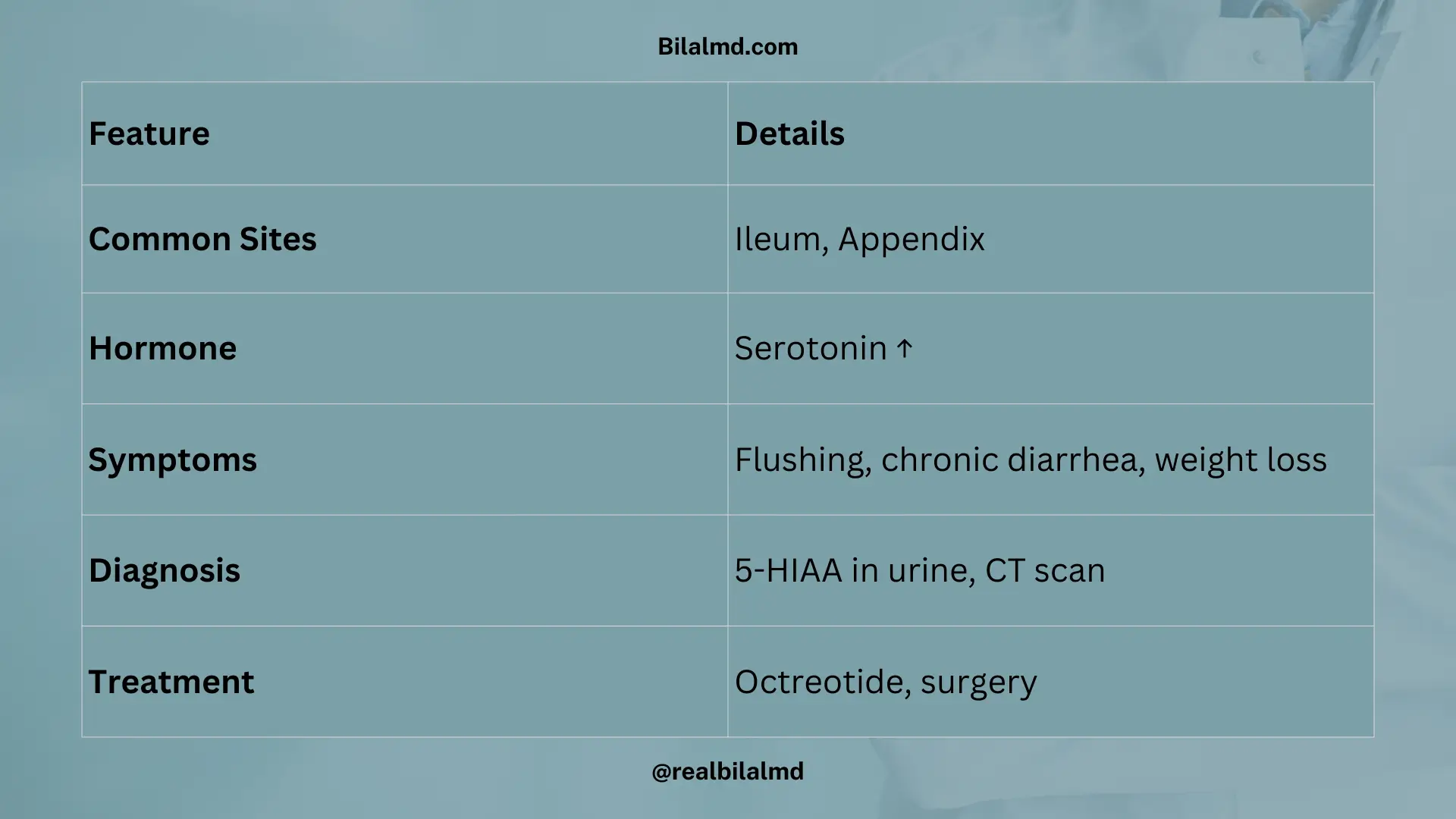
A tumor that results in increased serotonin levels in the body.
Common Locations:
- Ileum
- Appendix
Clinical Features:
- Facial flushing: A common symptom due to serotonin release.
- Chronic diarrhea: Caused by serotonin’s effect on the gastrointestinal tract.
- Weight loss: Often seen in patients with carcinoid syndrome.
Diagnosis:
- 5-HIAA (5-Hydroxyindoleacetic acid) in urine
- CT Scan.
Treatment:
- Octreotide.
- Surgery.
Tricuspid Valve Involvement:
- Seen in IV drug abusers with carcinoid tumors. The increased serotonin can cause tricuspid valve fibrosis, leading to tricuspid regurgitation.
7. Carcinoid Syndrome
Clinical Presentation:
- Dementia
- Dermatitis
- Diarrhea
Biochemical Imbalance:
- Increased tryptophan (which is converted to serotonin).
- Increased serotonin levels.
- Decreased niacin (Vitamin B3) due to tryptophan being used for serotonin production, leading to niacin deficiency.
8. Gastrointestinal Symptoms: Diarrhea and Abdominal Bloating
1. Lactose Intolerance:
- Cause: Inability to digest lactose, typically due to lactase deficiency.
- Symptoms: Diarrhea and bloating after consuming dairy products.
- Management:
- Lactose-free diet.
- Use of lactulose (sometimes as a laxative).
- Avoidance of dairy products.
2. Celiac Disease:
- Cause: An autoimmune disorder triggered by wheat-containing foods, specifically gluten.
- Symptoms: Diarrhea, abdominal bloating, and malabsorption.
- Diagnostic Test: Anti-endomysial antibody test.
- Skin Manifestation: Dermatitis herpetiformis.
- Treatment:
- Dapsone (used for managing dermatitis herpetiformis).
- A gluten-free diet to manage the disease.
- Complication: Iron deficiency anemia due to malabsorption.
Check your NRE Step 1 result after completing the exam.