Yes, you can get H. pylori twice. Sometimes the original infection comes back because it was never fully cleared, and in other cases you can be reinfected with H. pylori from another person or contaminated food or water. If your symptoms return after treatment, you should speak with your doctor for repeat testing and possible retreatment.

In this article, we will explore why and how you can get H. pylori again, what to watch for, and what you can do to reduce your chances of another infection.
What is H. pylori?
Helicobacter pylori (H. pylori) is a spiral-shaped bacterium that lives in the stomach lining. It is a major cause of:
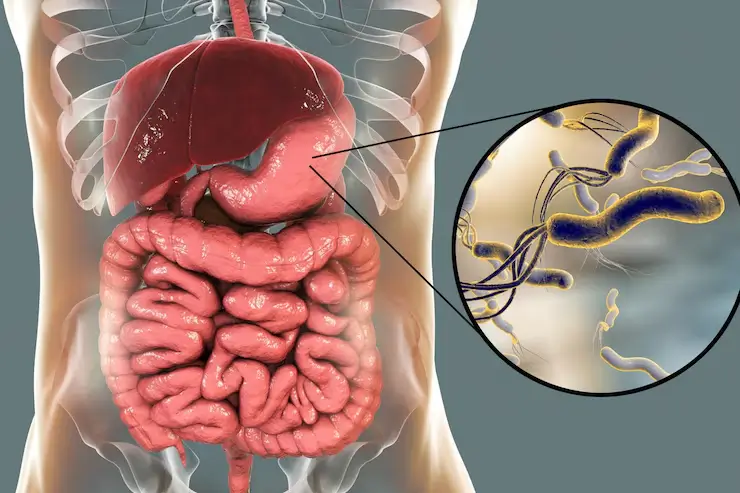
- Chronic gastritis (inflammation of the stomach lining)
- Peptic ulcers (sores in the stomach or upper small intestine)
- Increased risk of stomach cancer over many years
Most people become infected in childhood and may have no symptoms for a long time. When symptoms do appear, they can include:
- Burning or gnawing stomach pain
- Bloating, belching, or nausea
- Loss of appetite
- Unexplained weight loss
- Black, tarry stools or vomiting blood (warning signs – need urgent care)
Treatment usually involves a combo of antibiotics plus acid-reducing medication for 10–14 days, followed by a test to confirm the bacteria are gone.
Can you get infected with H. pylori twice?
There are two main ways H. pylori can “come back”:
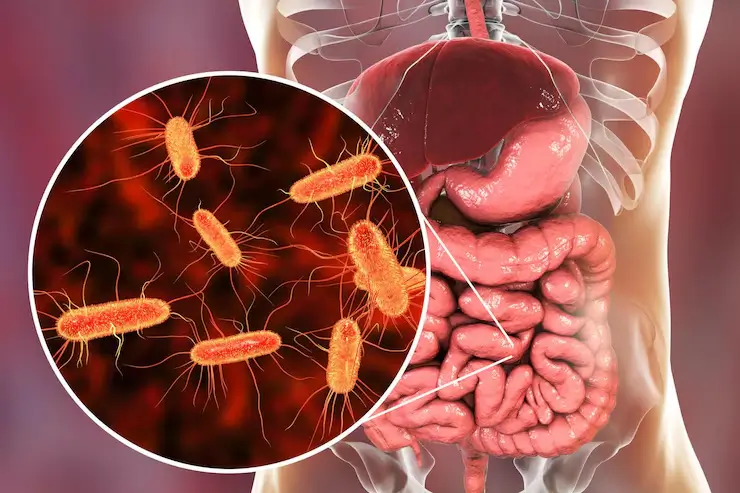
- Relapse (recrudescence) – the original infection was not completely eradicated.
- Reinfection – you cleared the first infection but become infected again from a new source.
When people ask, “H. pylori – can you get it twice?” or “can you get H-pylori twice after treatment?” they are usually referring to either of these situations.
1. Relapse: when the first infection wasn’t fully cleared
Sometimes H. pylori is very resistant to antibiotics. If even a small number of bacteria survive the treatment, they can multiply again. This is called relapse.
Reasons relapse may happen:
- Missing doses or stopping treatment early
- Antibiotic resistance
- Incorrect choice or dose of antibiotics
- Not confirming eradication with a follow-up test
If symptoms come back within a few months of therapy, relapse is more likely than a completely new infection.
2. True reinfection: catching H. pylori again
You can also get H. pylori twice as a new infection, even if the first one was cleared.
H. pylori spreads mainly through:
- Person-to-person contact, especially saliva (sharing utensils, food, or close contact)
- Contaminated water or food in areas with poor sanitation and hygiene
Reinfection rates vary by region. In areas with good sanitation, reinfection after successful treatment is relatively low each year, but in developing regions, it can be higher. That means if you live or travel in places where H. pylori is common, you can get H.pylori twice or even more times over a lifetime.
How do you know if H. pylori has returned?

Signs that you might have another episode of H. pylori infection include:
- Stomach pain or burning that keeps coming back
- Bloating, nausea, or early fullness after small meals
- Unexplained weight loss
- Chronic indigestion that does not improve with antacids
These symptoms are not specific only to H. pylori, but if you had the infection before and similar symptoms return, it is reasonable to suspect you might have gotten infected with H. pylori twice.
Your doctor may order tests such as:
- Urea breath test
- Stool antigen test
- Endoscopy with biopsy (used in certain cases)
These tests help confirm whether the bacteria are still present or have returned.
Who is more likely to get H. pylori again?
Whether it is relapse or reinfection, some factors increase your risk:
- Living in crowded housing or with family members who currently have H. pylori
- Poor access to clean water or sanitation
- Not washing hands regularly, especially after using the bathroom
- Sharing eating utensils, food, or drinks frequently
- Previous incomplete or incorrect treatment
- Smoking or heavy use of anti-inflammatory pain medicines (which also raise ulcer risk)
If you are asking, “can you get H. pylori twice even after taking all medicines?” the answer is still yes particularly if any of these risk factors are present.
What happens if you get H. pylori more than once?
Each time H. pylori infects the stomach, it causes inflammation and can damage the protective lining. Repeated or long-term infection may:
- Increase the chance of developing ulcers
- Cause ongoing pain and discomfort
- Raise the long-term risk of stomach (gastric) cancer in some people
That is why it is important to take treatment seriously and confirm that the infection is gone after finishing your medicines. If you do get H. pylori twice, your doctor may choose a different antibiotic combination to overcome potential resistance.
How to reduce your risk of getting H. pylori twice
You cannot block every possible exposure, but you can lower your risk of reinfection with some practical habits:
- Complete your full course of treatment
- Take every dose exactly as prescribed, even if you feel better early.
- Ask your doctor what to do if you miss a dose.
- Confirm eradication
- Schedule a follow-up test (usually 4+ weeks after completing therapy) to make sure H. pylori has been fully cleared.
- Practice strict hand hygiene
- Wash hands thoroughly with soap and clean water after using the bathroom and before preparing or eating food.
- Avoid sharing utensils and food in high-risk settings
- Especially if someone in your household has known H. pylori or similar stomach symptoms.
- Drink safe, clean water
- Use filtered or boiled water if tap water safety is uncertain.
- Handle food safely
- Eat properly cooked food.
- Avoid raw or undercooked items from unhygienic places.
- Limit smoking and unnecessary NSAID use
- These do not cause H. pylori, but they can worsen stomach damage if H. pylori is present.
When should you see a doctor?
Contact a healthcare professional if:

- Your upper-abdominal pain has returned after previous H. pylori treatment
- You have ongoing nausea, bloating, or early fullness
- You experience alarm symptoms such as vomiting blood, black stools, sudden severe pain, or unexplained weight loss
Tell your doctor you were treated for H. pylori before and that you are concerned you may have gotten H-pylori twice. They can decide which tests are appropriate and what treatment plan is best.
Summary
- Can you get H. pylori twice? Yes. You can experience relapse if the first infection was not fully cleared, or you can be reinfected from a new exposure.
- Can you get infected with H. pylori twice even after treatment? Unfortunately, yes, especially if you live in or travel to areas where the bacterium is common.
- Good hygiene, complete treatment, and follow-up testing reduce the chance that H. pylori can come back or that you can get it twice.
- If symptoms return, do not self-medicate only with antacids. See a doctor for proper testing and management.