Yes, a protein deficiency can cause hair loss. When your body doesn’t get enough protein, it prioritizes vital organs over your hair. As a result, more hairs enter the shedding (telogen) phase, leading to diffuse thinning and weaker strands. Correcting the deficiency and improving overall nutrition usually helps hair recover over time.
In this guide, we’ll break down how protein affects hair, why a deficiency leads to shedding, and what you can do to protect and regrow your hair.
Why protein matters so much for your hair
Hair is made mostly of keratin, a type of protein built from amino acids. Your body can’t store protein the way it stores fat, so it relies on daily intake from food to keep everything functioning.
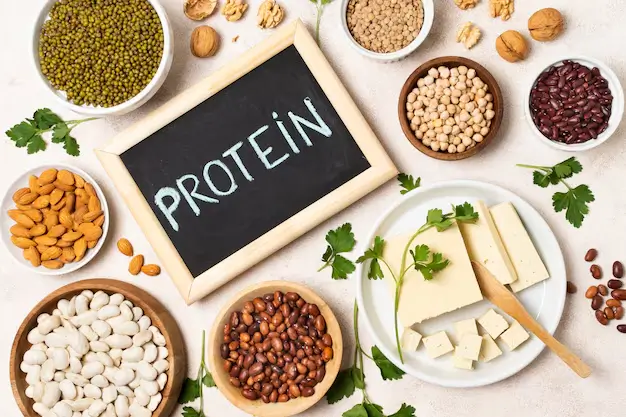
Protein is essential for:
- Building and repairing tissues, including hair follicles and scalp skin
- Producing enzymes and hormones that support hair growth
- Maintaining the strength and structure of hair, skin, and nails
When protein intake is low, the body redirects limited amino acids toward critical functions (heart, lungs, immune system) and away from “non-essential” structures like hair. That’s when hair loss from protein deficiency can start to show.
How can a protein deficiency cause hair loss?
The most common pattern is telogen effluvium, a type of diffuse hair shedding triggered by a metabolic or physical stress on the body. Nutritional deficiencies, including low protein, are recognized triggers.

Here’s what happens:
- Hair growth cycle is disrupted
Hair normally cycles through growth (anagen), transition (catagen), and rest/shedding (telogen). In protein deficiency, many follicles prematurely shift from growth to the resting phase. - Increased shedding several months later
After a “shock” such as crash dieting or prolonged low protein intake, you may notice high shedding 2–3 months later, as telogen hairs fall out. - Hair shaft quality declines
In more severe or chronic protein deficiency, hair shafts become finer, weaker, and more breakable. Studies have reported telogen hair loss and hair shaft abnormalities in people with hypoproteinemia and severe malnutrition. - Other nutrient gaps often join in
Low protein often coexists with low iron, zinc, vitamin D, and biotin, all of which can contribute to hair shedding.
The good news: telogen effluvium from diet is usually reversible once you correct the underlying problem and give your body enough time.
Evidence linking protein deficiency and hair loss
Several lines of evidence support the connection:
- General nutrition resources list hair loss as a recognized sign of protein deficiency alongside edema, increased infections, and fatigue.
- Clinical reviews on diet and hair loss note that nutritional deficiencies including protein can cause or worsen alopecia, especially telogen effluvium.
- A study of adults with low dietary protein intake found that a high percentage reported hair fall and other cosmetic concerns, suggesting a real-world link between inadequate protein and hair issues.
- Dermatology papers on telogen effluvium describe crash dieting and very low-protein intake (<0.8 g/kg per day) as triggers for diffuse hair shedding.
So, while not all hair loss is due to protein, a deficiency can clearly play a role.
Signs you might not be getting enough protein
Hair loss alone doesn’t prove protein deficiency, but it often appears alongside other symptoms. Common signs include:
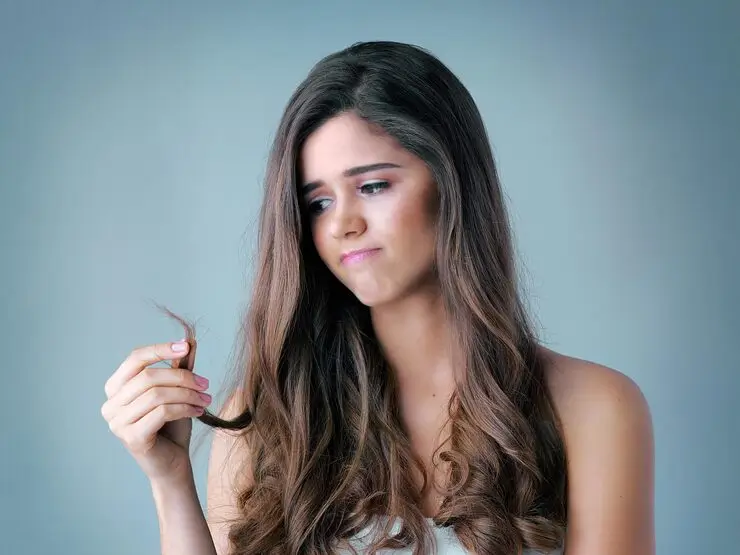
- Thinning or shedding hair, sometimes in clumps
- Brittle nails that crack easily
- Dry, flaky, or slow-healing skin
- Persistent fatigue or weakness
- Swelling in legs, feet, or face (in severe cases)
- Frequent infections or slow recovery from illness
- Muscle loss or difficulty gaining muscle
If you notice several of these together especially after dieting, illness, or restrictive eating it is worth speaking with a healthcare professional.
Who is at higher risk of hair loss from protein deficiency?
You may be more vulnerable if you:
- Follow very low-calorie or crash diets
- Have eating disorders or long periods of poor appetite
- Eat mainly refined carbs with very little meat, dairy, eggs, legumes, or other protein sources
- Have digestive or absorption issues (e.g., inflammatory bowel disease, celiac disease, bariatric surgery)
- Follow an unplanned vegan or vegetarian diet without adequate protein-rich plant foods
In these situations, asking “can a protein deficiency cause hair loss in me specifically?” is reasonable and it’s important to rule it out.
How much protein do you actually need?
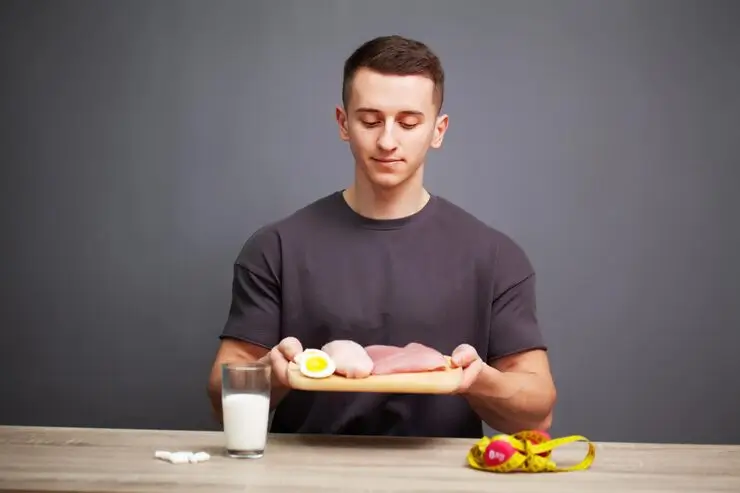
General guidelines suggest that most healthy adults need at least 0.8 g of protein per kilogram of body weight per day as a minimum. Many experts consider 1.0–1.2 g/kg a more realistic target for good health, especially if you’re active or trying to recover from illness or hair-related issues.
For a 70 kg (154 lb) adult, that’s roughly 56–84 grams of protein per day.
Protein-rich foods to support hair health
Aim for protein from a variety of sources:
- Animal sources: eggs, chicken, turkey, fish, lean beef, yogurt, cottage cheese, milk
- Plant sources: lentils, chickpeas, beans, tofu, tempeh, edamame, quinoa, nuts, and seeds
Combining different plant proteins across the day (e.g., beans + grains, nuts + legumes) helps you get all the essential amino acids.
Will eating more protein stop hair loss immediately?
Not instantly. Even if protein deficiency is the main culprit, hair growth is slow:
- It can take 2–3 months for shedding to improve after correcting a deficiency.
- Visible regrowth and thicker density may take 6–12 months, because hair has to cycle back into active growth.
Also, many people have multiple causes of hair loss at the same time: genetics (androgenetic alopecia), hormonal changes, thyroid disease, iron deficiency, stress, medications, and scalp conditions. Protein intake is just one piece of the puzzle.
If you increase protein and your shedding remains heavy, or if you see bald patches, always get evaluated rather than self-treating.
Practical steps if you suspect protein-related hair loss

- Audit your diet for 3–5 days
Write down everything you eat and roughly estimate the protein grams. You may find your intake is much lower than you thought. - Gradually increase protein, not just supplements
Focus on whole foods first. Protein powders can help if you struggle to meet needs with food, but they should not replace meals. - Balance other hair-critical nutrients
Ensure adequate iron, zinc, vitamin D, and B-vitamins through diet or supplements if prescribed. These work together with protein to support follicles. - Avoid extreme diets
Crash diets and very low-protein regimens are classic triggers for telogen effluvium. If you want to lose weight, aim for moderate, sustainable changes. - See a doctor or dermatologist
Persistent shedding, visible thinning, or other concerning symptoms deserve a proper workup, including blood tests. Early diagnosis of underlying conditions (thyroid disease, anemia, autoimmune issues) can protect your hair long-term.
Summary
- Can a protein deficiency cause hair loss? Yes. Low protein intake can push more hairs into the shedding phase, leading to telogen effluvium and weaker strands.
- Protein deficiency usually shows up with other signs (brittle nails, fatigue, frequent illness), not hair loss alone.
- Most cases are reversible once you correct your diet and address any underlying conditions, but improvement takes months.
- A balanced, protein-rich diet plus good overall nutrition gives your hair the best chance to stay strong, thick, and resilient.