
Chance of Twin Calculator
Nowadays, many people want twins or want to increase their chances of having them, and that comes with great responsibilities. There can be many complications for the mother, and several factors affect the chances, such as age, height, weight, and many others. We have a twin calculator that tells you the chances of conceiving twins.
How Does a Twin Pregnancy Calculator Work?
A pregnancy calculator can estimate chances based on different factors; it can give a general idea, not a crystal clear answer.
Input Personal Information
Details like Age, Family history of twins, Height, Ancestry background, Number of previous births, have you had twins before, Weight, and fertility treatment.
Using Statistical Data
This calculator is based on datasheets of medical research, population studies, and estimates the odds of typical people having similar profiles.
Understanding the Results
The results are not guaranteed, because many females with high odds still have single babies, and outcomes are seen in percentages, and ratios can be seen.
In 2023, there were 110,393 twin births in the U.S., equal to 31 twins for every 1,000 births, while Triplets or more came in at about 74 per 100,000 births.
The twin birth rate in the US has been rising since 1980, but from 2014 it started decreasing. The time there was a use of multiple embryos to boost pregnancy rates, whereas now, with the advancement of medical science, a single embryo transfer is normal and reduces high-risk pregnancies.
Having more than 1 baby can lead to preterm birth, low birth weight, preeclampsia, gestational diabetes, and the need for a c-section, so twins are at high risk and must be monitored closely.
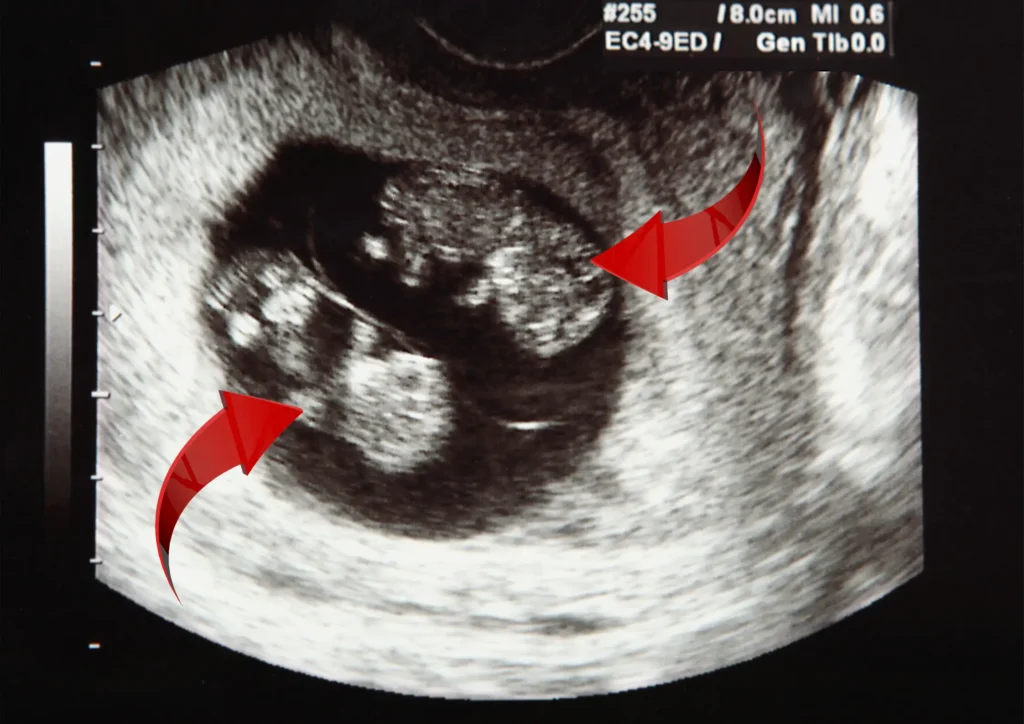
It is possible to find out you are having twins on your 12 week of pregnancy ultrasound scan. On USG, if 1 placenta is seen, then identical twins, and if 2 placentas are seen, then identical or non-identical twins. If you are not clear than wait and get another scan.
- Your belly is bigger than you should be on date
- There are twin in families
- You have more or higher hCG levels
- Morning sickness increases.
- USG done at 8–14 weeks of pregnancy
- Get any fertility treatment
What causes twins?
Twins occur either due to hyper-ovulation of the female (release of more than one egg) or the division of the same zygote into two. The general chances are that about 1 in 250 females have twins. The Yoruba, a tribe of Nigeria, have a higher tendency to have twins than Japanese people. Nigerian people can have around 45–50 twin births per 1000, Central African people about 18–30 per 1000, North America and Europe about 9–16 twin sets per 1000, and Asian populations around 6–9 twin sets per 1000.
Genetic research uncovers complexities in genome sequencing to detect potential markers that might influence multiple conceptions.
How can I tell if my twins are identical?
If you are concern of your baby, the most accurate test you can do is a DNA test of both babies after they are born. Another way to know if you are carrying twins or not is by doing an ultrasound before 14 weeks of pregnancy. In that scan, if we see 2 placentas, then you are carrying a twin.

Twins: Identical and Fraternal
Having twins is not a common burden on the mom’s body. The mother’s body gives space to them to grow and makes them ready to be born, and this process can be more complicated. Multiple pregnancies are common nowadays, and female’s age regarding pregnancy matters too. Having a twin also depends on the mother’s ethnicity. Overall, having twins depends on many factors not only genetics, but external factors too.
There are two types of twins, as follows:
- Identical twin (mono-zygote)
- Non-identical twin (di-zygote, fraternal)
1. Identical twin (mono-zygote)
In the identical twin type, only 1 egg is fertilized by 1 sperm and makes a zygote. Later, the zygote divides into two zygotes, resulting in twins. This occurs in about 3–5 cases per 1000 pregnancies. Identical twins always give rise to same-sex children, like they can be 2 boys or 2 girls, because they have the same DNA on the molecular level, and there is difference.
Monozygotic twins are less influenced by age or family history, and it is generally understood that genes do not play a clear role. However, families that have twins are sometimes seen with more twins, although the reasons are not clear. The overall chance is about 0.3%. Roughly one-third of all twins are identical, while two-thirds are not identical.
2. Non-identical twin (di-zygote, fraternal)
In the non-identical twin type, 2 different eggs are fertilized by 2 different sperms, and they form 2 different zygotes in the same menstrual cycle. The embryos have a different set of genes or DNA, so they are genetically similar to normal siblings.
Some women inherit hyper-ovulation. Men can also inherit hyper-ovulation, but that gene is not expressed in men; however, their daughters can inherit it, and the chances are doubled for her. About 3% of 100 pregnancies give birth to fraternal twins.
3. Triplets, quadruplets
Triplets can occur in about 1 in 10,000 pregnancies (0.01%), and quadruplets occur in about 1 in 70,000 pregnancies (0.0014286%).
Are you carrying twins?
You might be carrying twins if;
Factors That affects the Likelihood of Having Twins
Several factors can affect the odds of having twins, that are as follows:
- Age
- Previous pregnancy
- Heredity
- Etnicity
- Weight
- Height
- Fertility treatment.
- Body Type and Nutrition
- Breastfeeding impact during conception
- Assisted Reproductive Technologies
1. Age
As females age over 30, especially between 35 and 40 years, there are hormonal fluctuations. Older females can have more twin pregnancies because they produce more FSH and releases more eggs than younger women, and increasing FSH shows declining of fertility. Before menopause, the ovaries release more eggs in ovulation, but despite releasing more eggs, fertility declines with age.
2. Previous pregnancy
Previous pregnancies give more chance of conceiving twins and also change the uterine environment in a way that may favor the development of twins. The odds of having twins increase because the body may release more eggs.
3. Heredity
If you yourself are a fraternal twin, or your siblings are twins, or you have had a previous twin pregnancy, the chance of having twins can increase.
4. Ethnicity
Asian and Hispanic women have a lower incidence of having twins than Black Africans women.
5. Weight
Women who are overweight or obese, with a BMI over 30, have more adipose tissue that produces estrogen. Estrogen levels can be about 1.5 times higher than in women with a BMI of 20 to 24.5.
6. Height
Females who are over 165 cm have a greater tendency to conceive twins than females with a height below 155 cm.
7. Fertility treatment and Medications
Fertility drugs like clomit by 8% and femara by oral or injection gonadotropins can help 30% and lead to maturation of several follicles, and IVF by 4% transfer multiple embryos to enhance the chance of successful implantation, that increase incidence and can increase the chance of conceiving twins. Although some research findings are mixed, these drugs increase your chances of having twins or multiples to about 10%, or can be higher up to 30%.
Fertility treatments are not a shortcut; one cycle of IVF can cost over $20,000 in the U.S that are not always covered by insurance. Clomiphene and letrozole can also help.
8. Body Type and Nutrition
Taller or heavier women have a higher chance of having twins because they tend to have more insulin-like growth factor (IGF). Better nutrition and high-calorie diets, including dairy products that contain more hormones, may also increase the chances of having twins. Bariatric surgery leads to malabsorption when conceiving twins
9. Assisted Reproductive Technologies
Assisted Reproductive Technologies (ARTs) influence the rise of multiple pregnancies and make women more fertile. Naturally, there is not a lot you can do, and the mother’s side is more influential than the father’s side.
10. Breastfeeding during conception
Breastfeeding can lower your chance of getting pregnant, but it is still possible to get pregnant. Breastfeeding mothers have an 11.4% chance of twinning compared to 1.1% in the random population.
Risk factors
Twin pregnancies can have preterm birth, low birth weight, and gestational diabetes, which are more common compared to one-child mothers.
The social and economic implications of raising twins should not be overlooked, as parents may face financial strain due to the increased cost of child care and education. Twin children require more checkups.
Parents of twins should join local groups or communities that can provide valuable guidance and emotional reinforcement.
How can I increase my chances of having twins?
If you dream of having twins, you cannot do much. Genetics and body weight play a role, but increasing weight is not the best option, and hormonal regulation should not be put at risk.
Why Knowing Your Odds Matters
Knowing you are having twins can be challenging, but it can prepare you emotionally, physically, and practically for what is ahead.
Emotional Preparation
Hearing you have twins can be thrilling but also a little scary. Knowing this can help you process those feelings and seek support if needed, and it is okay to be emotional.
Health and Nutrition Needs
Twin pregnancies require extra focus, such as eating well and using supplements like phytoestrogen that increase a woman’s follicle-stimulating hormone (FSH), which may cause hyper-ovulation.
Planning for Support
If you are planning to conceive, then you need more hands to care for you from family, friends, and the community.
Support Your Twin Pregnancy Naturally
You know twins require good care and nutrition. You need to nurture your two little ones with food and focus on whole foods rich in folate, iron, calcium, and protein. Eat green leafy vegetables, algae, and nutrient-rich plant foods that provide vitamins, minerals, antioxidants, magnesium, and iodine. Sunflower foods offer choline and support cellular health.