Becoming pregnant comes with excitement and many questions. One of the first things you’ll wonder is “When is my baby due?” A due date calculator can quickly give you an estimate of your baby’s arrival date, helping you plan ahead. In this article, we’ll explain what a due date is, how it’s calculated, why it matters, whether it can change, and when to use a due date calculator for the best results. Let’s dive in!

What Is a Due Date?
In pregnancy, the due date (also called the estimated date of delivery, or EDD) is the approximate date when your baby is expected to be born. It marks 40 weeks (roughly 9 months) from the first day of your last menstrual period in a typical pregnancy. Think of it as a guideline for when labor might occur, rather than an exact deadline. Every pregnancy is unique, and babies often come on their own schedule. In fact, only about 4–5% of babies are born on their exact due date, while most arrive within a week or two before or after. So, your due date is a helpful target, but it’s normal to deliver a bit earlier or later.
How Is a Due Date Calculated?
Calculating a due date is usually done using standard methods that obstetricians have relied on for decades. The most common ways to figure out your due date include:
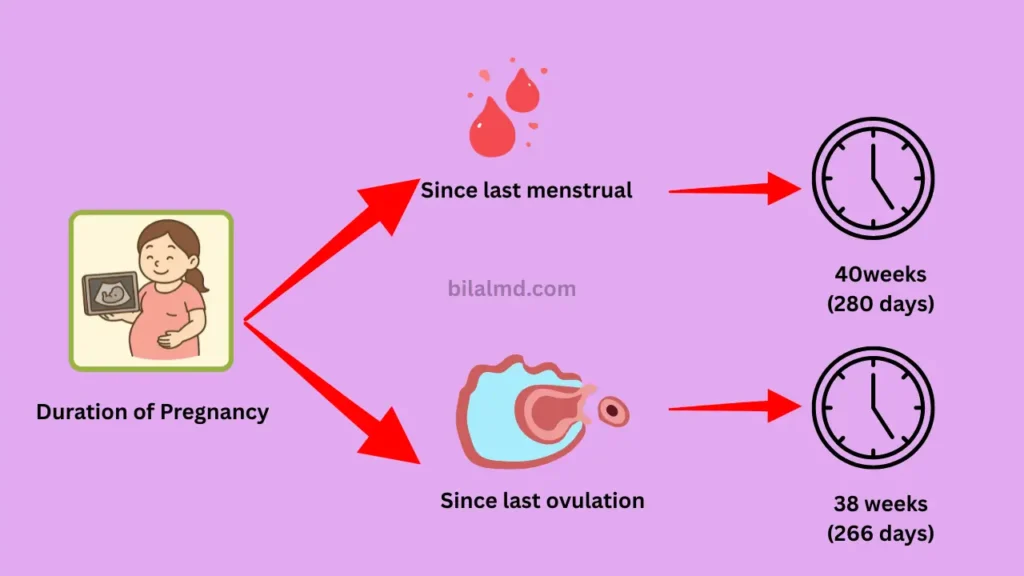
- Last Menstrual Period (LMP): This is the standard method. You take the first day of your last period and add 280 days (40 weeks) to that date. This assumes an average 28-day menstrual cycle with ovulation about two weeks after your period starts. For example, if your last period began on January 1, your estimated due date would be around October 8. This LMP method is simple and widely used. However, it works best if you have regular 28-day cycles. If your cycle is longer or shorter, or not consistent, the LMP-based due date might need adjustment.
- Date of Conception: If you happen to know the exact day you conceived (for instance, if you were tracking ovulation or underwent fertility treatment), you can calculate your due date by adding 266 days (38 weeks) to the conception date. This essentially skips the first two weeks of the cycle (since conception typically occurs about 2 weeks after LMP in a 28-day cycle). Using the conception date can be more accurate than LMP for people with irregular cycles or those who know the day fertilization occurred. The challenge is that natural conception isn’t always pinpointed to a single day – sperm can survive for up to 5 days in the body and an egg can be fertilized for about 24 hours after ovulation, so there’s a window of opportunity rather than one exact moment of conception.
- Ovulation or IVF Transfer Date: In cases of assisted reproduction like IVF (in vitro fertilization), doctors use the exact transfer date of the embryo to calculate the due date. IVF due date calculators add a specific number of days depending on whether it was a 3-day or 5-day embryo transfer (for example, ~261 days for a 5-day embryo). This method is very precise because the exact timing of fertilization is known. Similarly, if you were tracking ovulation and know the day you ovulated, you could estimate due date by adding 266 days to your ovulation date (since ovulation usually precedes conception by a matter of hours). These methods are useful for those who used fertility treatments or ovulation tracking.
- Ultrasound Dating: An early ultrasound scan (typically around 8–12 weeks into pregnancy) can provide a very accurate due date by measuring the baby’s size. Doctors often use the first trimester ultrasound to confirm or adjust the due date, especially if you’re unsure of your LMP or have irregular periods. The ultrasound measures the embryo or fetus (like the “crown-rump length”) and can estimate how far along you are. If the ultrasound estimate doesn’t match the LMP-based date, your doctor might change the official due date to align with the ultrasound because early scans are considered highly reliable for dating. For instance, if your LMP suggested 10 weeks pregnant but the ultrasound measurements suggest 9 weeks, the due date might be moved about a week later. Keep in mind that after about 20 weeks, ultrasounds are less useful for dating (babies grow at different rates), so the earlier the ultrasound, the more accurate for estimating due date.

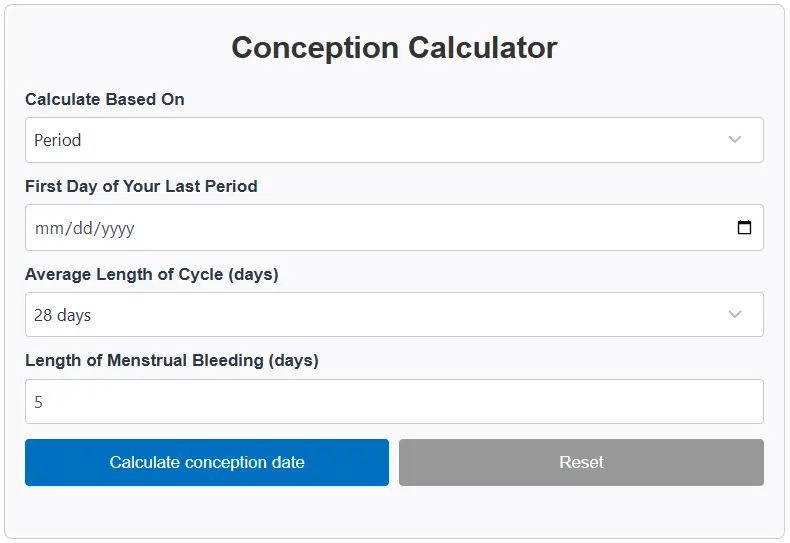
Each of these methods ultimately aims to predict the 40-week mark of pregnancy. In practice, doctors often start with the LMP calculation and then use ultrasound to confirm it. If you use an online due date calculator, it usually asks for the first day of your last period or the conception date, and then applies these same rules to give you an estimated due date.
Important note: These calculations assume a “typical” cycle and pregnancy. If your menstrual cycle is not the average length, or if you have conditions affecting ovulation, the estimate could be off. Always discuss your estimated due date with your healthcare provider; they may adjust it based on medical examinations or ultrasounds for the most accurate timeline.
Why Does the Due Date Matter?
Your due date is more than just a date to mark on the calendar; it’s a central reference point for your entire pregnancy. Knowing approximately when your baby is due helps in several important ways:
- Guiding Prenatal Care: Doctors schedule important prenatal tests and checkups based on how far along you are in pregnancy. For example, a fetal anatomy ultrasound is typically done around the 20th week, and a glucose screening for gestational diabetes is done between 24 and 28 weeks. If your due date estimate changed, it could shift when these tests should be done. Thus, having the correct due date ensures you get ultrasounds and screenings at the optimal times.
- Monitoring Baby’s Growth: At each prenatal visit, healthcare providers compare your baby’s growth and development to what’s expected for your gestational age (which is calculated from the due date). This helps them verify that the pregnancy is progressing well. If the due date were off, a baby might appear “small” or “large” for the calculated gestational age. A correct due date provides a benchmark to check that growth is on track.
- Planning and Preparation: A due date gives you a timeframe for planning your life around the baby’s arrival. It helps you decide when to start prenatal classes, when to take maternity/paternity leave from work, and when to have the nursery ready. For instance, knowing your due date can help you figure out when to pack your hospital bag or arrange for family to help around the expected birth time. While babies don’t always follow the plan, it’s still helpful to target those preparations around the due date.
- Managing Expectations and Emotions: Having a due date in mind makes the pregnancy feel more concrete. It gives you and your family a day to look forward to. It can also reduce some anxiety by providing an estimated endpoint to pregnancy. However, it’s equally important to remember it’s an estimate, not a deadline. Many doctors will remind you that you might go into labor a bit before or after that date, and that’s usually perfectly fine and normal. The due date mainly matters to help everyone be prepared and vigilant around that period.
In short, the due date is a planning tool for both your healthcare team and you. It aligns everyone’s expectations and ensures you get the right care at the right times during pregnancy.
Can a Due Date Change?
Sometimes, yes your due date isn’t set in stone. A due date can change if new information suggests your pregnancy is a different gestational age than initially thought. This most commonly happens if your doctor does an early ultrasound that indicates the baby’s development is not matching the original date. For example, if you thought you were 8 weeks along based on LMP but the ultrasound measures the embryo at 6 weeks, your doctor may revise the due date two weeks later. Early ultrasounds can measure the size of the fetus and often give a more accurate dating than using the last period, especially for women with irregular cycles.
Due dates might also be adjusted if you have irregular periods or if you remember new details about your menstrual cycle that change the calculation. In IVF pregnancies, the due date could be recalculated if there was any mix-up in dating the embryo transfer or if a doctor originally recorded it incorrectly (though this is rare given the precision of IVF timing).
It’s important to keep in mind that whether or not your due date is changed by your provider, it remains an estimate. Babies don’t have calendars, and it’s normal for labor to start within a range of a few weeks around the due date. If you go past your due date, your provider will monitor you more closely, but a healthy pregnancy can continue a bit beyond 40 weeks in many cases. Conversely, if you go into labor before the due date (especially after 37 weeks), it might just mean your baby’s timeline is a little different from what was expected. Always communicate with your midwife or doctor – they will let you know if any recalculation is needed. And once a due date is set by your healthcare provider (often after that first ultrasound), it usually stays the same for the rest of the pregnancy, serving as the consistent reference point for care.

When Should You Use a Due Date Calculator?
A due date calculator is a handy tool you can use at various stages of early pregnancy (or even before pregnancy). Here are some situations when using one is especially helpful:
- Right after a Positive Pregnancy Test: As soon as you find out you’re pregnant, you’re probably dying to know how far along you are and when the baby might come. By inputting the first day of your last period into a due date calculator, you’ll get an estimate of your due date in seconds. This can be exciting and help you start envisioning the next months. It’s a good way to get a preliminary idea before you see your doctor for confirmation.
- Before Your First Doctor’s Visit: Typically, your first prenatal appointment might be around 8 weeks after your last period. Waiting can be hard! Using a calculator at home can give you an idea of your timeline so you know roughly what week you’re in. This can make your conversations with the healthcare provider more informed when you do go in (for example, you can say, “I think I’m about 6 weeks along”). Just remember the doctor may adjust it based on what they find.
- Irregular Cycles or Uncertain Dates: If you don’t remember the exact date of your last period, some due date calculators allow you to use the conception date or even the date of an early ultrasound. If you have some clue (like an ovulation test or the day you think you conceived), the calculator can still work backwards to figure out a due date. This is useful if your periods weren’t regular or you weren’t tracking them closely.
- After an Ultrasound, for Curiosity: If you’ve had an ultrasound and were told a due date, you can use an online calculator to double-check how it was determined. Many calculators let you enter the due date itself or the ultrasound date and gestational age to see if it aligns. It’s mostly for curiosity and reassurance, since the doctor’s estimation should be trusted. But it can be fun to play around with the numbers and understand how it’s calculated.
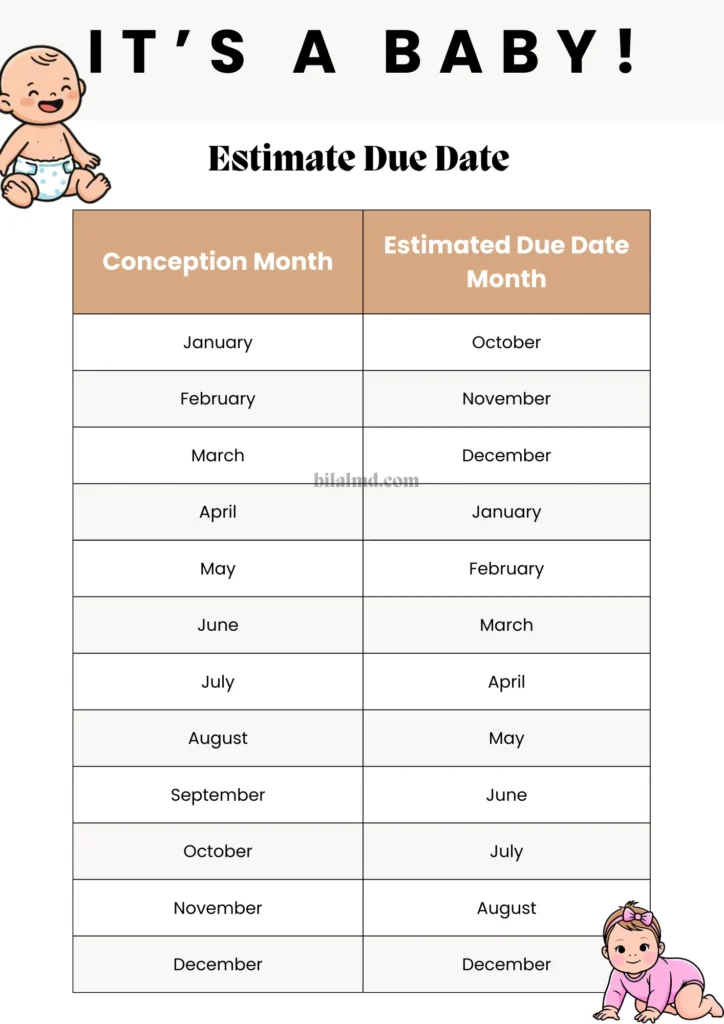
- When Planning a Pregnancy: Even before you become pregnant, if you’re trying to conceive, you might use a due date calculator to see what range your due date would fall in based on hypothetical conception dates. For instance, if you conceive in June, the calculator will show an estimated due date in March of the next year. This can help with planning around work or personal events. Of course, this is all speculative until you actually become pregnant, but it’s a common use-case for the tool among planners.
In all these scenarios, a due date calculator provides a quick and easy way to get answers. Just keep in mind, the result is an estimate based on general formulas. Always follow up with a healthcare provider who can give you a more personalized and accurate due date. The calculator is a great starting point for your own knowledge and planning.
Final Thoughts
A due date calculator is a useful companion for expecting parents, giving an early peek at when to expect your little one. Remember that your due date is an estimate to guide you and your doctors – not a guarantee. Pregnancy can be unpredictable, but having that date in mind helps you prepare for the big day and all the milestones before it. Always keep open communication with your healthcare provider, since they will give you the most accurate due date and adjust it if needed based on ultrasounds and exams. Every pregnancy is unique, so think of the due date as a helpful guidepost on your journey to parenthood.
As you count down to meeting your baby, use the resources available to stay informed and prepared. Our due date calculator is a great place to start – try it out to see when your baby might arrive, and enjoy planning for that special day. Happy and healthy journey to you and your growing family!
Ready to find out your own due date? Use our Due Date Calculator to get an estimate and start planning for your baby’s arrival.